
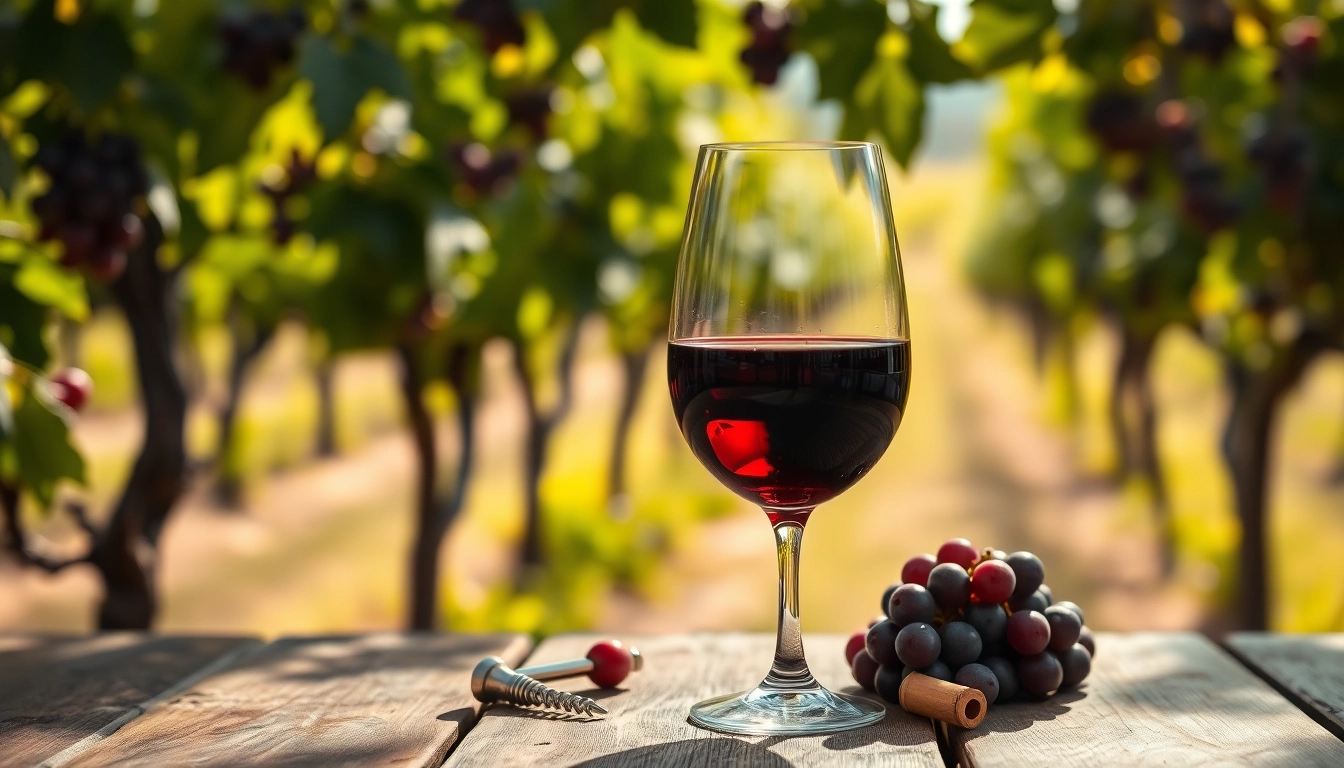
What is Tempranillo?
Tempranillo, a grape variety that plays a significant role in Spain’s viticulture, has garnered global recognition for its unique characteristics and flavor profiles. Known as the backbone of Spain’s red wine production, Tempranillo offers wine lovers a delightful experience, blending tradition with a spectrum of aromas and tastes that caters to diverse palates.
Origins and History of Tempranillo
The roots of Tempranillo can be traced back to the Iberian Peninsula, where its cultivation began over 2,000 years ago. Historically known as “Tinto Fino,” it has long been associated with the country’s most esteemed wine regions, particularly Rioja and Ribera del Duero. The name “Tempranillo” itself is derived from the Spanish word “temprano,” meaning early, highlighting its propensity to ripen earlier than many other grape varieties.
As a crucial player in the Spanish wine repertoire, Tempranillo significantly influenced the country’s wine-making practices, especially during the 19th century when modern vinification techniques emerged. Through adaptability and resilience, Tempranillo persevered through phylloxera crises, resulting in a resurgence of interest in both its traditional and innovative forms.
Characteristics of Tempranillo Wine
Tempranillo is characterized by its deep ruby color and moderate acidity, making it a versatile wine suited for various food pairings. The grape boasts a thick skin, which contributes to the wine’s structure and aging potential. Typically, Tempranillo displays flavors ranging from ripe cherries and plums to earthy notes like leather and tobacco, influenced significantly by oak aging.
Various styles of Tempranillo exist, including those that emphasize fruitiness and freshness, as well as others that showcase complexity and depth through barrel aging. This variability is a key reason behind Tempranillo’s rising popularity in wine markets worldwide.
Regions Known for Tempranillo
Spain remains the ideal location for Tempranillo cultivation. The most renowned regions include:
- Rioja: Famous for its classic wine styles, Rioja produces both aged and young versions of Tempranillo, often blended with other varietals like Garnacha.
- Ribera del Duero: Known for fuller-bodied Tempranillos, this region’s wines are rich and complex, often exhibiting darker fruit flavors and greater tannin presence.
- Toro: This region produces robust versions of Tempranillo, with higher alcohol content and intense flavors, ideal for wine enthusiasts seeking strength.
- Navarra: Blending old traditions with modernization, Navarra offers a diverse range of Tempranillo wines, from fruity to oak-aged.
- Portugal: Known as Tinta Roriz or Aragonez, Tempranillo also plays an essential role in Portuguese wines, particularly in the Douro Valley.
Flavor Profile of Tempranillo
The flavor profile of Tempranillo is inherently complex, making it a favorite among wine enthusiasts. Its distinctive tasting notes provide a nuanced experience that reflects the terroir and winemaking techniques employed.
Aromas and Tasting Notes
When it comes to aromas, Tempranillo often delivers an inviting bouquet of ripe berries, coupled with subtle earthy undertones, and expressions of leather and spice. On the palate, its flavors are rich and varied:
- Fruity notes: Dark fruit flavors like black cherry, plum, and raspberry are common, often accompanied by herbal hints.
- Earthy elements: Depending on the region and winemaking, complexities may present notes of leather, tobacco, or mushroom, adding depth.
- Spices: Aging in oak barrels introduces layers of vanilla, clove, and cinnamon that harmonize beautifully with the fruitiness.
Food Pairings for Tempranillo
The versatility of Tempranillo makes it a fantastic companion for a variety of dishes. Its balanced acidity and tannin structure allow it to pair well with:
- Grilled Meats: Steak, lamb, and chicken dishes sing alongside a glass of Tempranillo, especially those seasoned with herbs and spices.
- Spanish Cuisine: Traditional tapas, paella, and dishes featuring chorizo or Iberico ham are classic matches.
- Rich Cheeses: Tempranillo pairs beautifully with aged cheeses, including Manchego and sharp Cheddar.
- Pasta: Tomato-based sauces or creamy pasta dishes enhance the wine’s gorgeous fruit profile.
Ageing Potential of Tempranillo
Tempranillo’s aging potential varies significantly based on its style and region of production. Young Tempranillo wines can be enjoyed within a few years, highlighting fresh fruit flavors, while those from Ribera del Duero or Rioja aged in oak can develop complex characteristics over decades. Some top examples can be aged for 15 to 20 years or more, revealing evolving flavors reminiscent of rich fruitcake, fig, and truffle as time passes.
How to Enjoy Tempranillo
Enjoying Tempranillo extends beyond merely pouring a glass; it involves understanding the nuances that enhance the tasting experience. Factors such as serving temperature, glassware, and even decanting can significantly influence the overall enjoyment of this wine.
Serving Temperature and Glassware
The ideal serving temperature for Tempranillo is between 60-65°F (15-18°C). Serving it too warm can amplify the alcohol and obscure its flavors, while too cool may mute its aromatic profile. Using a standard red wine glass with a wider bowl allows the aromas to evolve and breathe, creating a dynamic tasting experience.
Cocktails Featuring Tempranillo
While Tempranillo is predominantly enjoyed as a standalone wine, innovative cocktail creations have begun incorporating this varietal to elevate its presence in mixology. Consider crafting a Tempranillo Sangria, blending the wine with fresh fruits, citrus juices, and a splash of soda for a refreshing summer drink. Alternatively, a Tempranillo Vesper adds sophistication and depth with a blend of vodka, gin, and Tempranillo.
Decanting Tempranillo Wine
Decanting is often beneficial for Tempranillo, particularly for older vintages that may have sediment. By allowing a decanted wine to breathe for about 30 minutes, its aromatic complexities and flavors blossom, enhancing the overall prestige of the wine. Decanting younger Tempranillo wines can also soften tannins and amplify the overall flavor experience.
Top Tempranillo Wines to Try
With a diverse array of Tempranillo wines available, exploring different bottles can lead to delightful discoveries. Here, we highlight selections across various price categories to guide both novices and seasoned enthusiasts.
Affordable Tempranillo Options
For those seeking quality without breaking the bank, several outstanding affordable Tempranillo wines offer delightful experiences:
- Campo Viejo Tempranillo: This wine offers bright red fruit flavors and subtle spice, making it an excellent choice for everyday enjoyment.
- Marques de Caceres Crianza: A balanced blend with notes of cherry, plum, and vanilla, perfect for pairing with roasted meats.
- Borsao Garnacha: While not purely Tempranillo, its blend with Garnacha offers incredible value and richness, suitable for a casual dinner.
Premium Tempranillo Selections
For a more luxurious experience, these premium Tempranillo selections demonstrate the grape’s potential when crafted by top producers:
- Vega Sicilia Unico: Often considered one of the world’s finest wines, it presents deep complexity with layers of fruit and spice.
- La Rioja Alta Gran Reserva 904: A benchmark Rioja with remarkable aging capabilities, showcasing cherry and leather notes, perfectly integrated with oak.
- Pago de Carraovejas: Known for its exceptional craft, this wine offers richness and finesse, reflecting the terroir of Ribera del Duero.
Limited Edition and Rare Tempranillos
For collectors and enthusiasts, limited edition and rare Tempranillos provide an intriguing path to explore the depth of this varietal:
- Alonso del Yerro: A cult wine from Ribera del Duero that deserves attention for its unyielding quality and limited production.
- Torre de Oña Gran Reserva: With restricted availability, this wine offers rich layers of fruit and toast, signifying the mastery of its producers.
- Bodega Numanthia: Known for its intensity and singular expression of Tempranillo, its limited releases showcase the region’s heritage beautifully.
FAQs about Tempranillo
What is the ideal temperature to serve Tempranillo?
Tempranillo is best served at 60-65°F (15-18°C) to enhance its flavors.
What foods pair well with Tempranillo?
It complements grilled meats, Spanish cuisine, and rich cheeses beautifully.
How long can I age Tempranillo wine?
Depending on the style, Tempranillo can be aged for 5 to 20 years or more.
Is Tempranillo sweet or dry?
Tempranillo is predominantly a dry red wine with fruity and earthy notes.
What regions are known for producing Tempranillo?
Spain, particularly Rioja and Ribera del Duero, is famous for Tempranillo production.
