
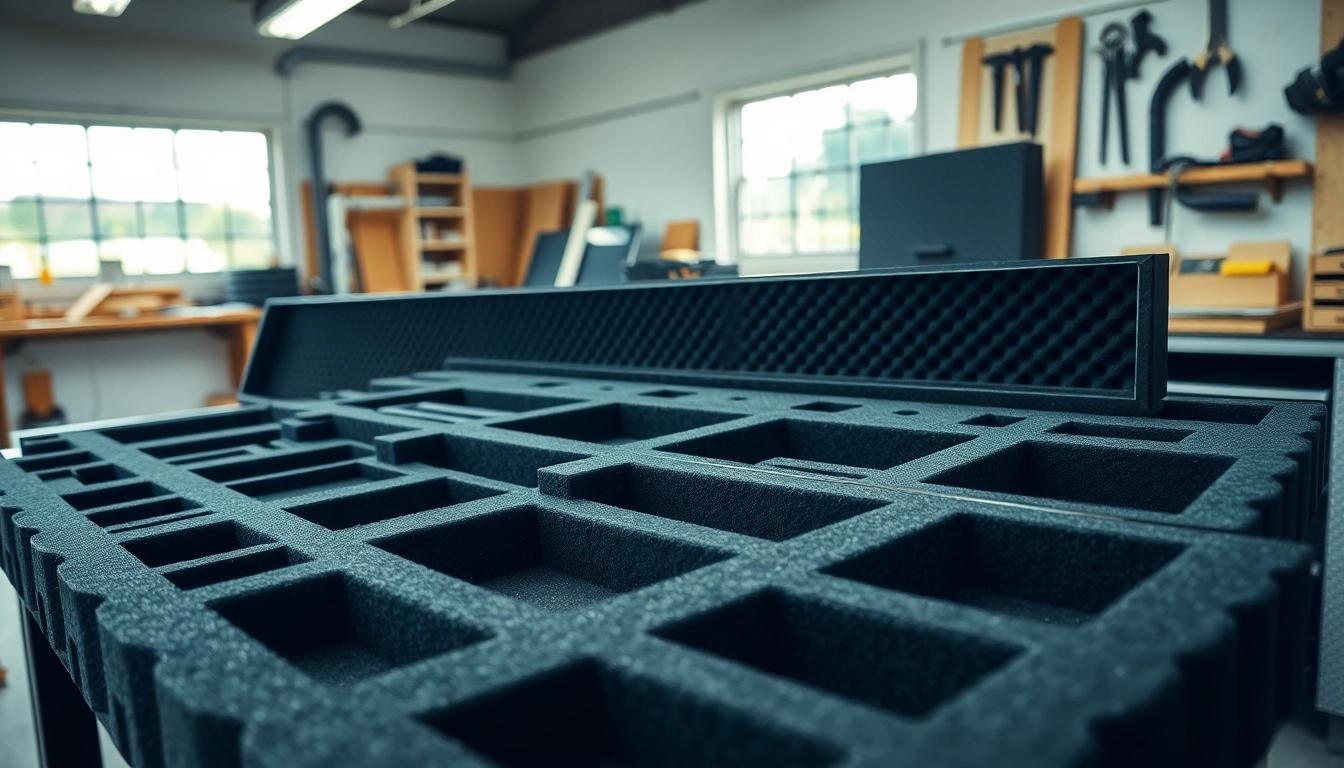
Understanding Foam for Rifle Case
When it comes to protecting your firearms during transport, the quality of your rifle case is paramount. Among the various components, foam for rifle case plays a crucial role in ensuring your weapon remains secure and undamaged. Whether you’re a hunter, a competitive shooter, or simply a gun enthusiast, knowing about the different types of foam available can guide you in making the best choice for your needs.
Types of Foam and Their Uses
Foam for rifle cases typically comes in several types, each designed for specific applications, levels of protection, and user preferences.
- Polyurethane Foam: This type is widely used due to its excellent shock-absorbing qualities. It is highly effective in providing a soft yet firm fit for firearms.
- PE Foam (Polyethylene Foam): Known for its durability and water resistance, PE foam is suitable for rugged conditions. It tends to be thicker than polyurethane, providing excellent protection against impact.
- Custom-cut Foam: Many manufacturers offer options for foam that can be cut to fit specific models of rifles, ensuring a tailored fit that enhances protection.
How Foam Improves Protection
Foam acts as a barrier between your rifle and potential hazards during transport. Here are a few ways it enhances protection:
- Shock Absorption: The foam absorbs shocks and vibrations that might occur during motion, preventing damage to sensitive components of the rifle.
- Stability: A good foam insert ensures that the rifle does not move within the case, limiting the potential for scratches and other physical damage.
- Weather Resistance: Quality foam can also help repel moisture, providing additional protection in adverse weather conditions.
Common Myths About Foam for Rifle Case
Several misconceptions surround foam used in rifle cases. Let’s address a few of them:
- Myth 1: All foam is the same. In reality, different foams offer varying degrees of protection, weight, and durability.
- Myth 2: Expensive foam is always better. While quality is important, some mid-range products can provide similar protection without the high price tag.
- Myth 3: Foam cannot be customized. Many foam options can be cut or shaped to fit a variety of firearm types and sizes.
Benefits of Foam Inserts
Customization for Fit and Security
One of the standout benefits of using foam inserts in your rifle case is the ability to customize them for a snug fit. This ensures that your firearm is not only secured but also minimizes the chance of moving around during transport, which could lead to accidental damage. Custom cuts allow for various accessories like scopes or bipods to fit snugly alongside the rifle.
Weight Savings with Foam Inserts
Foam inserts are typically lightweight compared to wood or metal alternatives, contributing to an overall lighter case. This is particularly valuable for travelers who need to keep weight down due to airline regulations or those who carry their gear on long expeditions.
Durability and Longevity of Foam
Quality foam can significantly extend the life of your firearm. Unlike traditional padding materials, specialized foams resist wear and tear, maintaining their protective qualities over time. This durability translates into a longer lifespan for both the foam and the rifle, making it a worthwhile investment.
Choosing the Right Foam Material
Differences Between Polyurethane and PE Foam
When choosing foam for your rifle case, understanding the differences between polyurethane and polyethylene foam is essential. Polyurethane is generally softer and offers excellent cushioning, while polyethylene is firmer and more durable, making it suitable for heavier equipment. The decision often boils down to personal preference and specific protection needs.
Noise Dampening Properties of Foam
Rifle cases equipped with foam inserts can offer noise dampening benefits. This is particularly important for hunters who need to maintain stealth in the field. Foam absorbs sound generated when handling equipment, thereby allowing for quieter operation when retrieving or storing your rifle.
Choosing Density and Thickness
The density and thickness of the foam you select will greatly influence the level of protection offered. A denser foam typically provides better shock absorption, while thickness can enhance impact resistance. As with all aspects, balance is key; too dense may mean too heavy, while a thinner foam might not provide sufficient protection. Therefore, carefully evaluate both needs and circumstances.
DIY Foam Insert Projects
Step-by-Step Guide to Measuring Your Rifle
Creating a custom foam insert begins with accurate measurements. Here’s how to effectively measure your rifle:
- Gather your tools: a measuring tape, a notepad, and a pencil.
- Measure the length of your rifle from the stock to the muzzle.
- Measure the widest points (typically at the stock or scope).
- Note the height and depth, especially if accessories will be included.
Techniques for Cutting and Shaping Foam
Once you’ve gathered your measurements, it’s time to cut the foam. Here are useful techniques:
- Utility Knife Method: Use a sharp utility knife for straight cuts. Ensure a steady hand to maintain clean lines.
- Heat Wire Method: For detailed shaping, a heated wire cutter can be used to create smooth, precise edges.
- Stencils: Create templates for regular shapes to ensure uniformity when cutting.
Finishing Touches for Custom Inserts
After cutting, enhancing your foam insert can lead to better functionality:
- Add adhesive-backed Velcro strips to secure items further.
- Use fabric covering for the foam to improve aesthetics and comfort.
- Consider labeling compartments to easily identify accessories or additional gear.
FAQs About Foam for Rifle Case
What is the best foam for rifle case inserts?
The best foam often depends on individual needs, but polyurethane and PE foams are both excellent options known for durability and protection.
How does foam protect rifles during transport?
Foam acts as a cushion, absorbing shocks and vibrations while keeping the firearm secure and stable within the case, preventing damage from movement.
Can foam for rifle case be customized?
Yes, many foams can be cut or shaped to fit specific firearms and accessories, enhancing security and fit according to your needs.
How do I clean foam in my rifle case?
Foam can be spot cleaned with mild soap and water. Ensure it fully dries to avoid mold and odors.
Where can I buy quality foam for rifle case?
Quality foam can be purchased from specialized retailers online, craft stores, or shops that deal in gun case supplies.