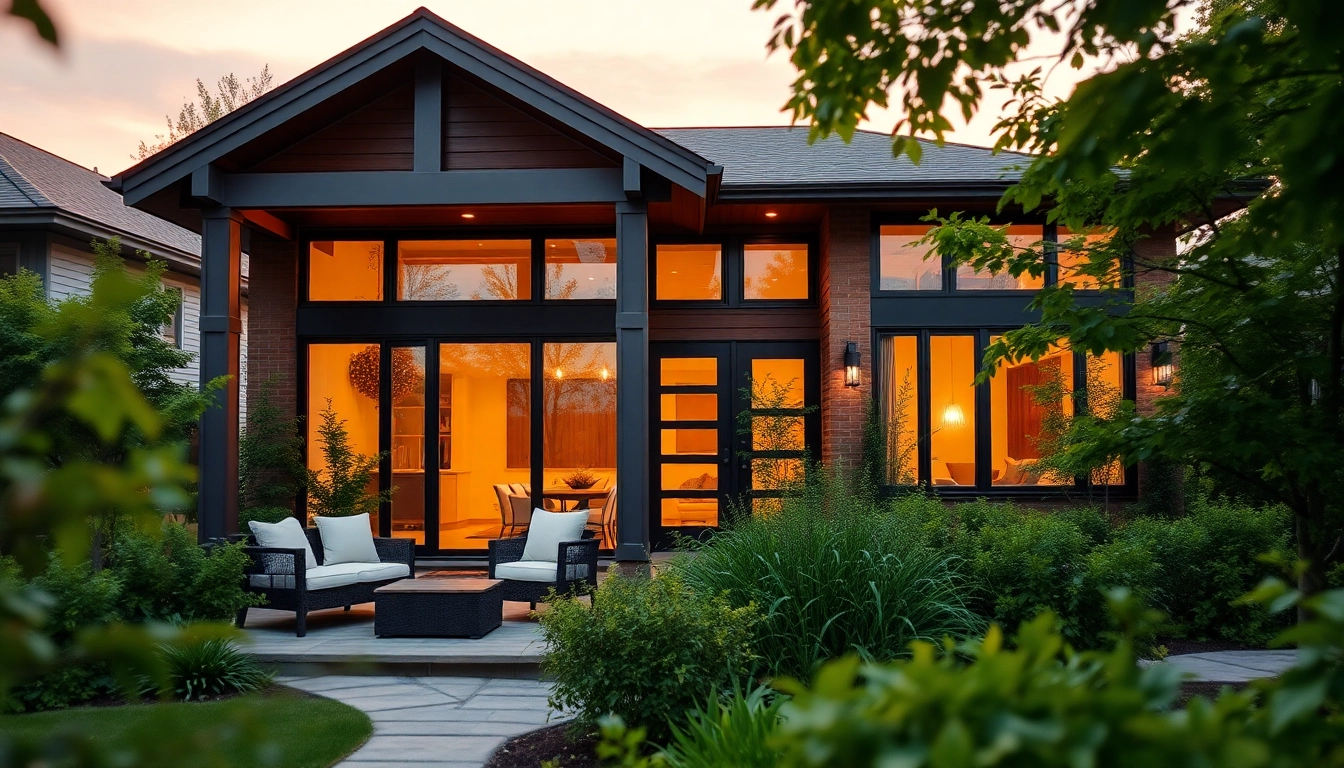
Understanding the Landscape Architect Profession
The field of landscape architecture offers a unique blend of creativity and technical skill, enabling professionals to shape the outdoor environment effectively. As stewards of the earth’s land, landscape architect aims to enhance the natural aesthetics while promoting ecological health. This multifaceted profession encompasses parks, urban spaces, gardens, and recreational areas, intertwining art and science to create sustainable landscapes.
The Role and Responsibilities of a Landscape Architect
Landscape architects play a critical role in planning and designing outdoor spaces. Their responsibilities typically include:
- Conducting site analysis and assessments
- Developing design concepts that balance aesthetics with environmental impact
- Collaborating with clients, engineers, and local government to execute designs
- Preparing detailed layout plans and specifications
- Managing projects from conception through implementation
These responsibilities require a shared vision of functionality and beauty, ensuring spaces meet the needs of users while being environmentally friendly.
Key Skills Needed to Succeed as a Landscape Architect
To thrive in the ever-evolving field of landscape architecture, professionals must possess a range of skills:
- Artistic Talent: A strong sense of design is fundamental for creating visually appealing spaces.
- Analytical Ability: Skilled landscape architects assess environmental impacts and site conditions effectively.
- Communication Skills: Articulating ideas clearly is vital when working with clients and teams.
- Project Management: From budgeting to meeting deadlines, landscape architects must track multiple project aspects.
- Technical Proficiency: Familiarity with landscape design software and tools is crucial for modern designs.
These skills collectively empower landscape architects to execute successful projects that enhance communities and environments.
Educational Pathways for Aspiring Landscape Architects
The journey to becoming a landscape architect typically begins with a formal education. Aspiring professionals should consider the following pathways:
- Bachelor’s Degree: Most landscape architects have a Bachelor of Science in Landscape Architecture (BSLA) from an accredited institution.
- Master’s Degree: An advanced degree can open doors to specialized areas within landscape architecture.
- Internships: Practical experience through internships is essential to gain real-world skills and networking opportunities.
- Licensure: Most states require a license to practice, which involves passing the Landscape Architect Registration Examination (LARE).
These educational qualifications and experiences prepare individuals for the diverse challenges in this rewarding profession.
Landscape Architect Design Principles
Fundamental Concepts in Landscape Architecture
At the heart of landscape architecture lies a set of fundamental design principles that guide professionals in their creative endeavors. These principles include:
- Proportion and Scale: Understanding the relationship between different elements in space influences design effectiveness.
- Unity: Cohesiveness in design elements creates a harmonious landscape.
- Balance: Achieving balance, whether symmetrical or asymmetrical, is vital in guiding the viewer’s eye.
- Rhythm: The repetition of elements can create movement and structure within a space.
Adhering to these principles allows landscape architects to create spaces that are not only functional but also visually striking.
Incorporating Ecology and Sustainability in Designs
Today’s landscape architects must address ecological challenges while designing environments. Key strategies for promoting sustainability include:
- Native Plant Selection: Incorporating local flora that requires less maintenance and supports local wildlife.
- Water Management: Implementing rain gardens and permeable paving to manage stormwater effectively.
- Soil Health: Preserving and enhancing soil quality to support robust ecosystems.
- Energy Efficiency: Designing landscapes that enhance building performance by utilizing natural light and shading.
Integrating these elements promotes healthier ecosystems and contributes to long-term environmental sustainability.
Creative Aesthetics and Practical Solutions in Landscape Design
Creativity and practicality must coexist in landscape architecture. Successful designs often include the following:
- Functional Spaces: Designing areas that accommodate various activities, such as gathering spaces in parks.
- Artistic Features: Incorporating sculptures, water features, and other artistic elements to enhance visual appeal.
- Adaptability: Creating flexible spaces that can evolve based on community needs and environmental changes.
- Wayfinding: Designing easily navigable spaces to enhance user experience and accessibility.
Balancing aesthetics and functionality ensures a landscape serves its intended purpose while remaining enjoyable for users.
Landscape Architect Tools and Technologies
Software and Applications for Landscape Design
Modern landscape architects leverage cutting-edge software and applications to streamline their design processes. Important tools include:
- AutoCAD: Industry-standard software for creating detailed design drawings and plans.
- SketchUp: A 3D modeling tool that helps in visualizing designs before implementation.
- Land F/X: A plugin designed specifically for landscape architects, enhancing CAD functionality with landscape-specific features.
- GIS (Geographic Information Systems): For analyzing spatial data critical for site analysis and planning.
Utilizing these technologies allows for greater precision and efficiency in creating impactful designs.
Innovative Tools Used by Landscape Architects
In addition to software applications, innovative tools enhance the landscape architecture profession:
- Drones: Used for aerial site surveying, providing detailed topographic data.
- Virtual Reality (VR): Enhances the presentation of designs, allowing clients to experience spaces before they are built.
- Augmented Reality (AR): Integrates digital designs with real-world views, providing perspective on potential changes.
- 3D Printing: Enables the physical modeling of designs for better visualization and discussion during planning stages.
These tools not only enhance creativity but also improve collaboration and client engagement during the design process.
Importance of Technology in Modern Landscape Architecture
Technology’s role in landscape architecture continues to grow, fostering advancements in design, efficiency, and sustainability. Key impacts include:
- Enhanced Collaboration: Seamless sharing of designs among teams and clients encourages feedback and innovative solutions.
- Streamlined Workflow: Automation of repetitive tasks improves productivity and allows for more focus on creative aspects.
- Improved Environmental Analysis: Technology facilitates precise assessments of site dynamics, helping to create ecologically informed designs.
- Real-Time Modifications: Instant updates based on client feedback ensure designs are continually refined and aligned with vision.
As technology evolves, landscape architects who embrace these changes will lead the industry’s progressive future.
Critical Challenges Landscape Architects Face
Balancing Aesthetics with Functionality
One of the primary challenges in landscape architecture is merging beauty with practicality. Achieving a balance includes:
- Conducting thorough needs assessments to determine the functionality required by the community.
- Integrating feedback from various stakeholders to address both aesthetic and functional needs.
- Iterating designs through multiple drafts to refine elements until the perfect balance is struck.
Successfully addressing these challenges results in spaces that delight the senses while serving practical purposes.
Navigating Regulations and Client Expectations
Landscape architects often face strict guidelines and varying client demands. Here’s how they can navigate these issues:
- Familiarize oneself with local zoning laws, environmental regulations, and historical codes relevant to the project.
- Communicate clearly with clients to set realistic expectations regarding what is achievable within budgets and regulations.
- Document all processes and decisions to ensure transparency and address any potential grievances.
By managing these aspects, landscape architects can streamline project delivery and maintain client satisfaction.
Adapting to Climate Change Impact on Landscape Design
Climate change presents unique challenges that landscape architects must address, such as:
- Water Scarcity: Implementing drought-resistant landscaping to minimize water use while maintaining aesthetic appeal.
- Heat Management: Designing shaded areas and increasing vegetation cover to mitigate urban heat islands.
- Flooding and Stormwater Management: Integrating features such as bioswales and rain gardens to handle excess rainfall effectively.
By proactively adapting to these changes, landscape architects contribute positively to their communities’ resilience.
Future Directions in Landscape Architecture
Emerging Trends in Landscape Architecture
As global concerns evolve, landscape architecture is witnessing several emerging trends:
- Biophilic Design: Emphasizing connections to nature in urban settings to enhance well-being.
- Smart Technologies: The integration of IoT devices to monitor resources and inform sustainable practices.
- Community-Centric Design: Engaging communities in the design process to create spaces that genuinely reflect their needs.
- Circular Economy Practices: Incorporating recycled and upcycled materials into landscape designs.
These trends point towards a more interconnected approach, emphasizing collaboration and sustainability in landscape architecture.
Innovative Practices Influencing the Field
Innovative practices are shaping the future landscape architecture, including:
- Participatory Design: Involving community members in the design process to enhance relevance and satisfaction.
- Regenerative Design: Creating landscapes that restore and enhance ecological health, going beyond sustainability.
- Urban Agriculture: Integrating food production into urban spaces to promote local food systems.
- Ecological Restoration: Engaging in projects that restore degraded ecosystems to their natural states.
These practices encourage a holistic view of landscape architecture, focusing on ecological integrity and human connection.
The Role of Landscape Architects in Urban Development
Landscape architects are integral to urban development, contributing to:
- Designing Public Spaces: Creating parks and public areas that encourage social interaction and community engagement.
- Enhancing Urban Biodiversity: Integrating native species into designs to support local ecosystems.
- Placemaking: Developing spaces that cultivate a unique sense of place and identity within communities.
- Transportation Projects: Designing pedestrian-friendly environments that encourage sustainable modes of transit.
Through these efforts, landscape architects help shape urban landscapes into vibrant and sustainable environments.
FAQs About Landscape Architecture
What is the main role of a landscape architect?
A landscape architect plans, designs, and manages outdoor spaces, combining aesthetic and scientific principles to create sustainable environments.
How long does it take to become a landscape architect?
Typically, it requires a minimum of a bachelor’s degree in landscape architecture, which can take four to five years, followed by additional work experience and obtaining licensure.
What skills are essential for a landscape architect?
Key skills include artistic talent, analytical ability, communication skills, project management expertise, and technical proficiency in design software.
What are some common projects for landscape architects?
Landscape architects commonly design parks, recreational facilities, urban spaces, residential gardens, and public infrastructure projects.
How do landscape architects contribute to sustainability?
They promote sustainability through eco-friendly practices, such as using native plants, effective water management, and creating resilient landscapes that adapt to climate change.