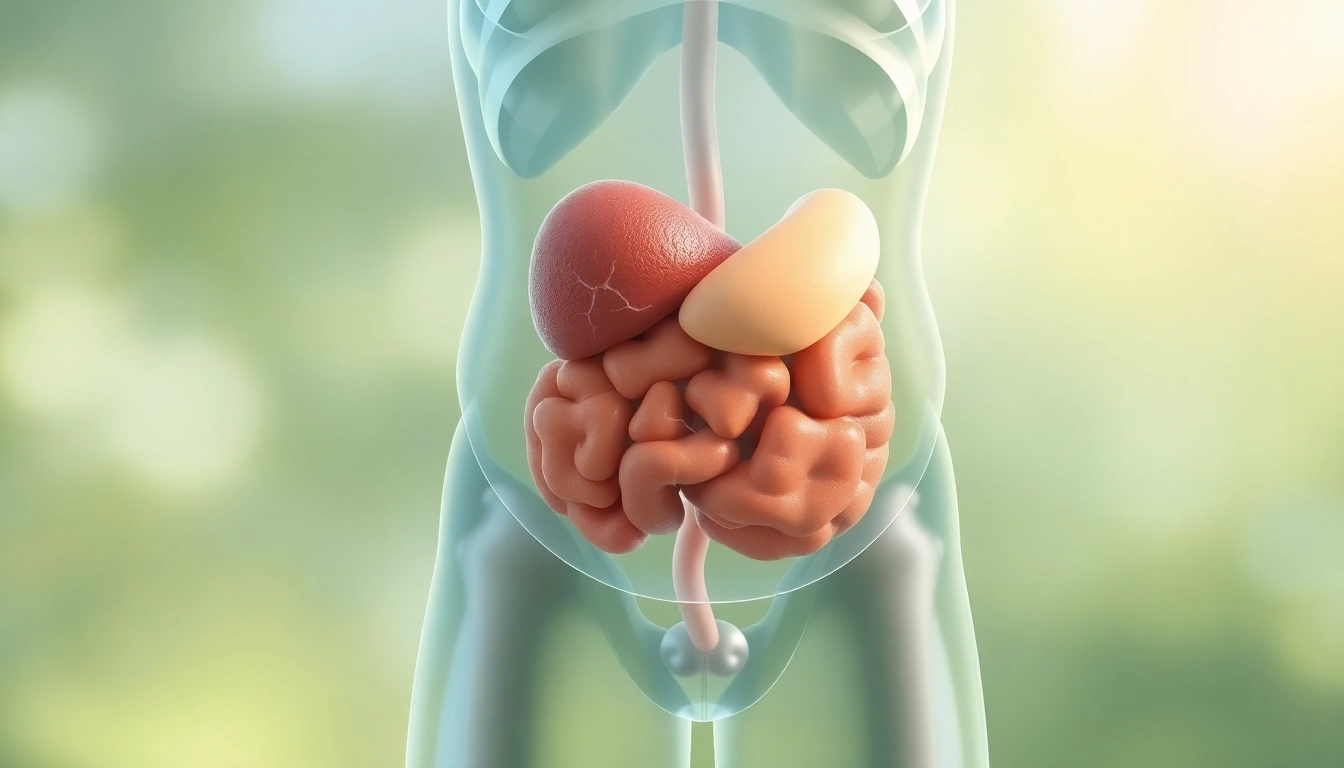
The Basics of Visceral Fat
What Is Visceral Fat?
Visceral fat is a type of body fat that is stored within the abdominal cavity, specifically surrounding vital organs such as the liver, pancreas, and intestines. Unlike subcutaneous fat, which lies just below the skin and can be pinched, visceral fat is deeper and is sometimes referred to as "toxic fat" due to its association with various health issues. It plays a significant role in metabolic processes, and its high presence can adversely affect an individual’s health.
Understanding visceral fat is crucial not only for appearance but also for overall health. This deep-seated fat can influence how the body functions, possibly leading to serious conditions if not properly managed.
How Visceral Fat Differs from Other Types of Fat
To truly grasp the significance of visceral fat, it's essential to distinguish it from other types of body fat. Subcutaneous fat is the fat you can touch and see; it accumulates just under the skin and is generally less harmful than visceral fat. Visceral fat, on the other hand, is hidden within the body and wraps around important organs. This position puts it at a higher risk for causing metabolic dysfunctions and other health issues.
Moreover, visceral fat has a unique biological activity compared to subcutaneous fat. It releases various inflammatory markers and hormones that can lead to insulin resistance, diabetes, and a higher risk of cardiovascular diseases. Thus, the health implications of visceral fat are significantly more severe than those of other fat types.
The Importance of Monitoring Visceral Fat
Monitoring levels of visceral fat is crucial for maintaining health and preventing diseases. Because it is often asymptomatic, individuals may be unaware of their visceral fat levels unless they are measured. Regular assessments can help identify at-risk individuals early and enable lifestyle changes before health issues arise. Understanding your body composition and identifying visceral fat can motivate individuals to adopt healthier lifestyles, ultimately reducing their risk for serious diseases.
Health Risks Associated with Visceral Fat
Link to Metabolic Disorders
Visceral fat has been strongly linked to several metabolic disorders, including Type 2 diabetes and metabolic syndrome. The fat tissue itself can secrete free fatty acids into the bloodstream, leading to an increase in insulin resistance. This mechanism makes the body less responsive to insulin, a hormone vital for regulating blood sugar levels. The progression into metabolic disorders can be insidious, making awareness and proactive management of visceral fat paramount.
Impact on Cardiovascular Health
The presence of visceral fat poses a serious threat to cardiovascular health. Studies have demonstrated that individuals with higher visceral fat levels have an increased risk of developing heart disease and stroke. The reason lies in the fat’s ability to produce inflammatory substances that can contribute to the hardening of arteries—a condition known as atherosclerosis. By monitoring and managing visceral fat, individuals can not only prevent heart diseases but also promote overall longevity and quality of life.
Influence on Hormonal Balance
Hormonal balance is essential for maintaining effective bodily functions. Visceral fat has the potential to disrupt this balance by releasing excess hormones and cytokines that can lead to various hormonal disorders, including irregular menstrual cycles in women and even issues related to testosterone in men. Therefore, maintaining low levels of visceral fat is crucial for both men and women to sustain healthy hormone levels and, consequently, their general health.
Identifying Visceral Fat
Methods to Measure Visceral Fat
Identifying visceral fat is vital for everyone aiming for a healthier lifestyle. There are several methods to measure visceral fat, including:
- Waist Circumference Measurement: This is a simple method where a tape measure is used to measure the circumference of the waist. A measurement above 40 inches for men and 35 inches for women is considered high risk for visceral fat accumulation.
- BMI (Body Mass Index): Although BMI is not a direct measurement of visceral fat, a higher BMI can indicate increased fat levels, warranting further investigation.
- Imaging Techniques: Advanced methods such as MRI and CT scans can accurately assess visceral fat levels by providing detailed images of fat distribution in the body.
Signs of High Visceral Fat
While visceral fat is not always visible, there are some signs indicating its presence. These can include:
- Increased waist circumference.
- Abdominal protrusion regardless of weight.
- Higher blood pressure and blood sugar levels.
Utilizing Body Composition Analysis
Body composition analysis offers a more comprehensive view of body fat distribution, including the levels of visceral fat. Many gyms and health centers offer this service, which measures not only fat but also muscle mass, providing insights into an individual's health and fitness levels. This method can be an effective way to gauge the success of lifestyle changes aimed at reducing visceral fat.
Effective Strategies to Reduce Visceral Fat
Dietary Adjustments for Reducing Visceral Fat
Diet plays an integral role in managing visceral fat levels. Here are some dietary adjustments that can help:
- Increase Fiber Intake: Foods high in fiber, such as fruits, vegetables, and whole grains, promote feelings of fullness and help reduce overall calorie intake.
- Limit Added Sugars and Refined Carbs: These can increase fat storage and visceral fat accumulation. Opting for whole foods can mitigate this risk.
- Choose Healthy Fats: Incorporate sources of healthy fats such as nuts, seeds, avocados, and olive oil. These fats have been associated with reduced visceral fat levels.
Exercise Routines That Target Visceral Fat
Regular physical activity is vital for reducing visceral fat. Effective exercise routines include both aerobic and strength training exercises. High-intensity interval training (HIIT) has gained popularity due to its efficiency in burning calories and reducing visceral fat. Recommended routines can include:
- Cardiovascular exercises such as jogging, brisk walking, cycling, and swimming.
- Strength training exercises that build muscle mass and boost metabolism.
- HIIT workouts that incorporate short bursts of intense activity followed by rest periods.
Incorporating Lifestyle Changes to Manage Stress
Stress management plays a crucial role in preventing visceral fat accumulation. Chronic stress can result in higher levels of cortisol, a hormone that contributes to fat storage around the abdomen. Engaging in stress-reducing practices such as yoga, meditation, and mindfulness can significantly help mitigate this effect. Additionally, ensuring adequate sleep and building social support are essential steps in maintaining mental well-being, fostering overall health.
Long-Term Management of Visceral Fat
Maintaining Healthy Weight Loss
For effective long-term management of visceral fat, it is important to focus on maintaining a healthy weight. Gradual weight loss—aiming for 1-2 pounds per week—can ensure that the body adapts to changes more sustainably. Sustainable weight management combines a balanced diet with regular physical activity, creating lasting habits instead of quick fixes.
The Role of Regular Health Check-ups
Regular health check-ups are vital for monitoring visceral fat and overall health. Medical professionals can assist in assessing visceral fat levels, conducting necessary tests, and providing tailored recommendations for weight management and lifestyle changes. Increased awareness and consistent health monitoring can facilitate timely interventions before serious health issues develop.
Strategies for Sustaining a Healthy Lifestyle
Ultimately, the key to long-term management of visceral fat lies in adopting and sustaining a healthy lifestyle. Setting realistic goals, tracking progress, and creating a supportive environment can assist in maintaining motivation. Joining groups or communities focused on health can provide encouragement and accountability while facilitating lasting change in behaviors. Remember, consistency is essential. With sustained effort, it is possible to manage visceral fat effectively and promote a healthier, more fulfilling life.