
Mental health is an essential part of our overall well-being. It affects how we think, feel, and behave in daily life. Despite its importance, mental health is often overlooked, misunderstood, or stigmatized. This is why Mental health awareness is critical. By understanding mental health better, we can reduce stigma, support those in need, and promote a healthier society.
Understanding Mental Health
Mental health refers to the state of our emotional, psychological, and social well-being. It influences how we handle stress, relate to others, and make choices. Good mental health is not just the absence of mental illness; it is the presence of positive characteristics such as resilience, emotional balance, and social connection.
Common Mental Health Challenges
Mental health issues can affect anyone, regardless of age, gender, or background. Some common challenges include:
- Anxiety disorders: Constant worry, panic attacks, or fear that interferes with daily life.
- Depression: Persistent sadness, loss of interest, or lack of energy.
- Bipolar disorder: Mood swings ranging from depressive lows to manic highs.
- Eating disorders: Unhealthy eating habits affecting mental and physical health.
- Stress-related disorders: Prolonged stress impacting sleep, concentration, and overall health.
Real-life Example: A student preparing for final exams might feel anxious or stressed. If these feelings become intense or persistent, they may require support to manage them effectively.
Why Mental Health Awareness Matters
Raising mental health awareness helps individuals recognize signs of distress early, seek help, and reduce the harmful effects of stigma. Awareness creates a supportive environment where people feel safe discussing their struggles without fear of judgment.
Benefits of Mental Health Awareness
- Early detection: People recognize symptoms and seek help before problems escalate.
- Reduced stigma: Understanding mental health challenges reduces misconceptions and discrimination.
- Improved support systems: Friends, family, and communities can provide care and encouragement.
- Healthier coping strategies: Individuals learn practical ways to manage stress, anxiety, and emotional challenges.
Case Study: Sarah, a high school student, experienced severe anxiety. Because her school promoted mental health awareness, she felt comfortable reaching out to the counselor, received therapy, and developed strategies to manage her anxiety, allowing her to thrive academically and socially.
Breaking the Stigma Around Mental Health
Stigma is a major barrier to mental health care. It includes negative beliefs, stereotypes, and discrimination that prevent individuals from seeking help. Breaking stigma requires education, empathy, and open conversations.
How Stigma Manifests
- Believing that mental illness is a personal weakness.
- Avoiding people with mental health challenges.
- Using derogatory language or jokes about mental illness.
- Ignoring the importance of emotional well-being.
Strategies to Reduce Stigma
- Educate yourself and others: Learn about mental health conditions and share accurate information.
- Speak openly: Sharing personal experiences can normalize conversations around mental health.
- Practice empathy: Listen without judgment and validate others’ feelings.
- Challenge stereotypes: Correct misinformation whenever possible.
- Support mental health initiatives: Participate in campaigns, workshops, and awareness programs.
Analogy: Just as physical health issues like diabetes or heart disease are treated with care and understanding, mental health challenges deserve the same approach, not judgment or shame.
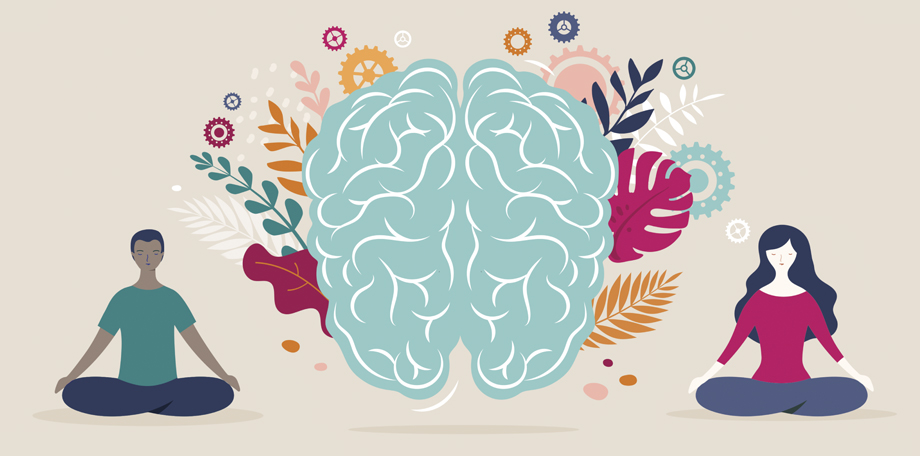
Practical Ways to Support Mental Health
Promoting mental health involves everyday actions that enhance emotional resilience and overall well-being.
Self-Care Techniques
- Mindfulness meditation: Focus on the present to reduce anxiety.
- Exercise regularly: Physical activity improves mood and reduces stress.
- Maintain a balanced diet: Nutrition affects both body and mind.
- Establish healthy sleep habits: Quality sleep supports emotional regulation.
- Engage in hobbies: Creative activities like drawing or music reduce stress.
Building Strong Relationships
Positive social connections are essential for mental health. Healthy relationships provide emotional support, reduce loneliness, and encourage personal growth.
- Spend time with family and friends.
- Communicate openly about feelings.
- Offer help and encouragement to others.
- Join community groups or clubs to foster belonging.
Real-life Example: John, who struggled with depression after moving to a new city, joined a local sports club. The friendships he built helped him feel connected and motivated him to seek professional support.
Seeking Professional Help
Sometimes self-care is not enough, and professional support is necessary. Mental health professionals, such as counselors, therapists, and psychiatrists, provide guidance, therapy, and treatment plans tailored to individual needs.
Indicators that professional help may be needed:
- Persistent sadness or anxiety
- Difficulty functioning at school or work
- Extreme mood swings
- Thoughts of self-harm or hopelessness
Promoting Mental Health Awareness in Communities
Communities play a crucial role in shaping attitudes toward mental health. Awareness campaigns, educational programs, and support groups can make a significant difference.
- Schools can include mental health education in their curriculum.
- Workplaces can offer mental health resources and support programs.
- Local organizations can host workshops, seminars, and mental wellness events.
- Social media campaigns can reach large audiences to educate and reduce stigma.
Case Study: A community center organized a “Mental Health Week” with workshops on stress management, mindfulness, and coping strategies. Participation increased awareness, reduced stigma, and encouraged residents to seek support when needed.
Using Technology to Enhance Mental Health Awareness
Digital platforms provide opportunities for spreading mental health education and support. Apps, online therapy, and virtual support groups make mental health resources accessible to more people.
- Mental health apps: Track moods, offer meditation exercises, and provide resources.
- Online therapy platforms: Connect clients with licensed therapists via video or chat.
- Virtual support groups: Share experiences and support in a safe environment.
Analogy: Just as technology allows instant communication across distances, it can bridge gaps in mental health care by connecting individuals to support and information anytime.
Encouraging Open Conversations About Mental Health
Open dialogue is essential to normalize mental health discussions. Talking about feelings, challenges, and coping strategies creates a culture of understanding.
Tips for starting conversations:
- Ask open-ended questions like, “How have you been feeling lately?”
- Listen actively without interrupting or judging.
- Share your experiences if comfortable to create relatability.
- Respect privacy and confidentiality.
Conclusion
Promoting mental health awareness and breaking stigma are vital for individual well-being and society at large. By educating ourselves, practicing empathy, supporting others, and seeking professional help when needed, we can create a compassionate environment where mental health is valued. Everyone deserves understanding, care, and access to the resources necessary for emotional wellness. Together, we can remove stigma, promote mental health, and ensure that no one feels alone in their journey. Make the most of our platform—start from the main homepage today.
FAQs
What is mental health awareness?
Mental health awareness is the understanding of emotional, psychological, and social well-being. It involves recognizing the signs of mental health challenges, educating others, and promoting a supportive environment.
How can we break the stigma surrounding mental health?
Breaking stigma requires open conversations, education, empathy, and challenging misconceptions. Supporting mental health initiatives and treating emotional challenges with care also helps reduce negative stereotypes.
When should someone seek professional mental health support?
Professional help is recommended when mental health challenges affect daily life, such as persistent sadness, anxiety, extreme mood swings, or thoughts of self-harm. Therapists, counselors, and psychiatrists provide tailored guidance and treatment.