
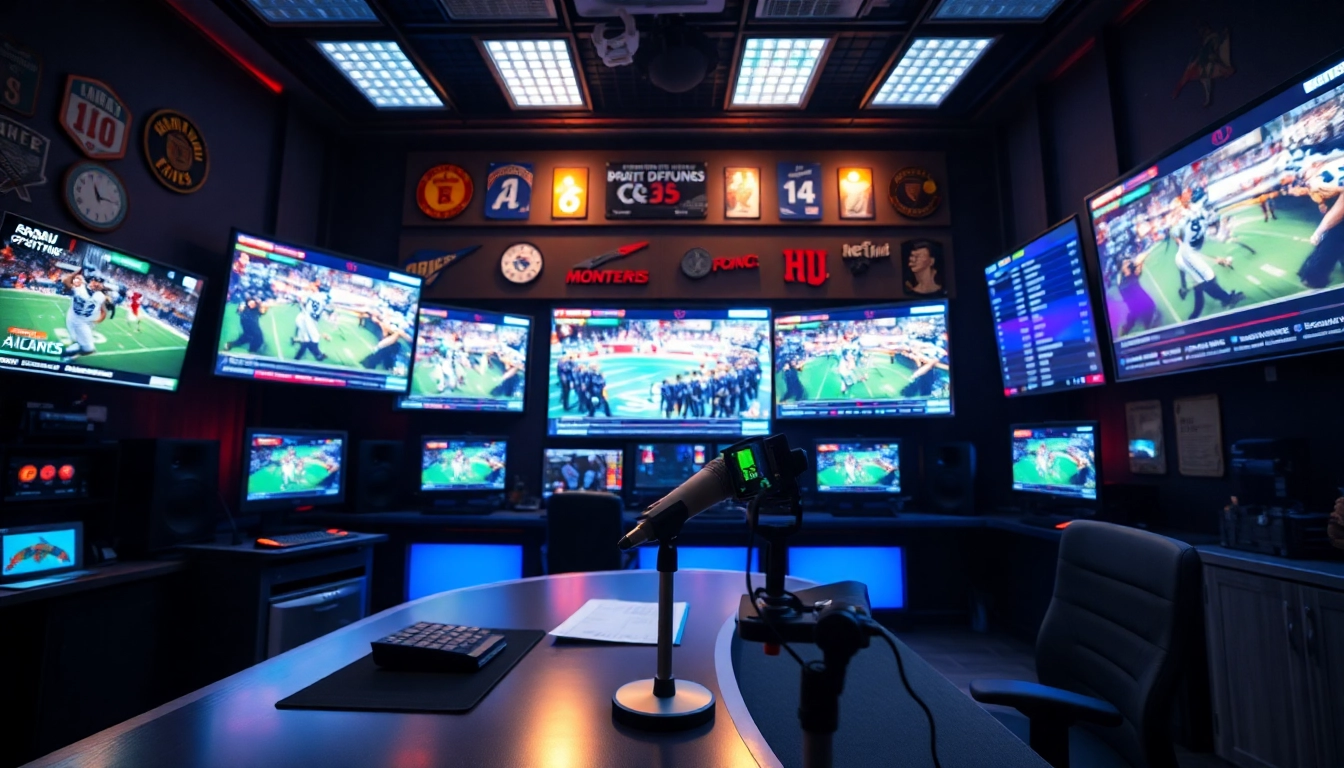
Understanding the Basics of Sports Broadcasting
What is Sports Broadcasting?
Sports Broadcasting is the transmission of live sporting events through various media channels, including television, radio, and the internet. This medium allows audiences to enjoy and engage with their favorite sports teams and players, bringing the excitement of the game right into their living rooms. It has evolved significantly over the decades, focusing not only on the gameplay itself but also on aspects like player statistics, analysis, and fan interaction. With the rise of digital platforms, Sports Broadcasting has become more accessible, reaching a wider audience than ever before.
The History of Sports Broadcasting
The history of Sports Broadcasting can be traced back to the early 20th century, with radio becoming the first medium to reach a larger audience. The first-ever sports broadcast is attributed to a baseball game in 1921. As technology advanced, television broadcasting revolutionized how sports were consumed, with live telecasts of key sports events captivating audiences. Over the years, the industry adapted to changes in technology—such as satellite and cable television—and now stands on the brink of another transformation with digital streaming services paving the way for new viewing habits.
Key Components of Sports Broadcasting
Effective Sports Broadcasting comprises several critical components, including:
- Commentary: Skilled commentators provide play-by-play and analysis, enhancing viewer understanding and enjoyment.
- Graphics: Visual aids like scoreboards, player stats, and graphics help viewers stay engaged and informed.
- Production Quality: High-definition video and superior sound quality are crucial for an immersive viewing experience.
- Audience Engagement: Interactions through social media and other platforms enhance fan experience and loyalty.
Technical Aspects of Sports Broadcasting
Equipment and Tools for Efficient Broadcasting
The technical backbone of Sports Broadcasting includes various equipment and software tools. Critical equipment involves high-quality cameras, microphones, mixing boards, and streaming capabilities. Using advanced broadcasting technology, like drones and 360-degree cameras, allows for unique perspectives that add to the viewer’s experience. Moreover, integration with graphics software can streamline the production of overlays, such as player stats and score updates, making broadcasts more engaging.
Understanding Audio-Visual Quality Standards
Maintaining high audio-visual quality is essential in Sports Broadcasting. Viewers expect clear images and crisp sound, as any deficiencies can detract from the viewing experience. It involves adhering to standards like 4K resolution, surround sound formats, and ensuring a seamless streaming experience without interruptions. Ongoing training in production techniques and equipment maintenance is crucial for broadcasters to meet these standards consistently.
Streaming vs. Traditional Broadcasting Methods
The choice between streaming and traditional broadcasting methods impacts how audiences consume sports content. While traditional broadcasting relies on terrestrial or satellite methods, streaming offers flexibility and convenience. The emergence of OTT (Over-the-Top) platforms has redefined viewer habits, providing on-demand access to sports events and highlights. This shift requires broadcasters to rethink their strategies and adopt hybrid models that combine both traditional and digital mediums to cater to diverse audience preferences.
Content Creation in Sports Broadcasting
Developing Engaging Sports Commentary
Crafting engaging sports commentary is vital for keeping viewers attached to the broadcast. Commentators must balance informative insights with enthusiasm and entertainment, ensuring their narratives resonate with a broad audience. Engaging commentary involves thorough preparation, knowledge of teams and players, and the ability to adapt to the dynamics of live sports. Utilizing storytelling techniques can further enhance commentary, making it more relatable and memorable for fans.
Creating Visual Graphics and Overlays
Visual content is significant in enriching the viewing experience. Effective graphics and overlays can communicate essential information quickly and visually. This can include player statistics, highlights of crucial plays, or animated sequences showing game strategies. Graphic design and animation tools allow producers to create compelling visuals that enhance narratives without overwhelming viewers. To maintain clarity, graphics must adhere to branding guidelines and be legible, even on smaller screens.
Utilizing Social Media for Broader Reach
Social media has transformed the landscape of Sports Broadcasting, offering unique opportunities for reach and engagement. Broadcasters can use platforms like Twitter, Facebook, and Instagram to share highlights, live reactions, and more, enhancing the viewer's connection with the sport. Interactive features such as polls, live chats, and Q&A sessions can engage fans, making them feel part of the broadcast. Understanding audience demographics on these platforms can help develop targeted content that resonates more deeply with sports enthusiasts.
Best Practices for Effective Sports Broadcasting
Building a Connection with the Audience
Establishing a connection with the audience is paramount in Sports Broadcasting. Engaging with fans through social media, responding to comments, or incorporating viewer-generated content can foster loyalty and community. Broadcasters can also encourage audience participation by featuring fan reactions during live broadcasts, acknowledging the passion and investment of the viewers in their teams and sports.
Dealing with Unexpected Live Events
Live events can be unpredictable, and effective broadcasters must be prepared for any eventuality. Having contingency plans in place, such as backup connections or alternative commentary scripts, can help navigate unexpected challenges. Maintaining poise and professionalism during unforeseen incidents contributes to a broadcast's credibility and enhances the viewer's confidence in the quality of the production.
Analyzing Viewership Metrics and Feedback
Understanding viewership metrics is essential for evaluating the success of a broadcast. Key performance indicators (KPIs) such as audience reach, viewer retention, and engagement levels provide insights into what resonates with audiences. Feedback from viewers, gathered through surveys or social media interaction, can help broadcasters refine their content. Implementing changes based on this data not only improves future broadcasts but strengthens audience relationships by demonstrating that their opinions are valued.
Future Trends in Sports Broadcasting
The Impact of Augmented Reality on Sports Broadcasting
Augmented Reality (AR) is set to transform Sports Broadcasting by enhancing viewer engagement through interactive graphics layered onto live events. This technology provides immersive experiences, allowing fans to interact with game data, player stats, and play replays in real-time. As AR continues to evolve, it creates possibilities for reshaping how sports are presented and consumed, leading to more personalized viewing experiences.
Trends in Audience Interaction and Engagement
Future Sports Broadcasting will heavily focus on audience interaction. Enhanced interactivity could involve real-time voting on in-game decisions or fan-driven commentary segments. Responding to audience preferences not only boosts engagement but can also drive new viewers to the platform. With technology constantly evolving, broadcasters must remain agile to adapt to emerging trends and seamlessly integrate them into their content.
Innovations Shaping the Future of Sports Broadcasting
Innovations such as Artificial Intelligence (AI) are influencing the future of Sports Broadcasting. AI can analyze vast amounts of data to provide insights, enhancing commentary and graphic solutions. Machine learning algorithms could tailor broadcasts to individual viewer preferences, delivering personalized content. Improving accessibility features, like sign language interpreters and descriptive audio, will further ensure a more inclusive viewing experience, attracting broader audiences.
Frequently Asked Questions
1. What skills are important for a sports broadcaster?
Key skills include strong communication, storytelling abilities, a deep understanding of sports, and the ability to think quickly during live events.
2. How has technology changed sports broadcasting?
Technology has improved audio-visual quality, introduced streaming options, and enabled the integration of social media for real-time engagement with fans.
3. Why is audience engagement crucial in sports broadcasting?
Engaging the audience helps build loyalty, fosters community interaction, and enhances viewer experience, positively impacting overall ratings.
4. What are the key trends in sports broadcasting right now?
Current trends include increased use of streaming services, enhanced audience interaction through social media, and the incorporation of augmented reality technologies.
5. How can broadcasters effectively handle unexpected challenges during live events?
Preparing contingency plans, staying calm, and having backup systems ensures broadcasters can maintain quality and professionalism amid surprises.