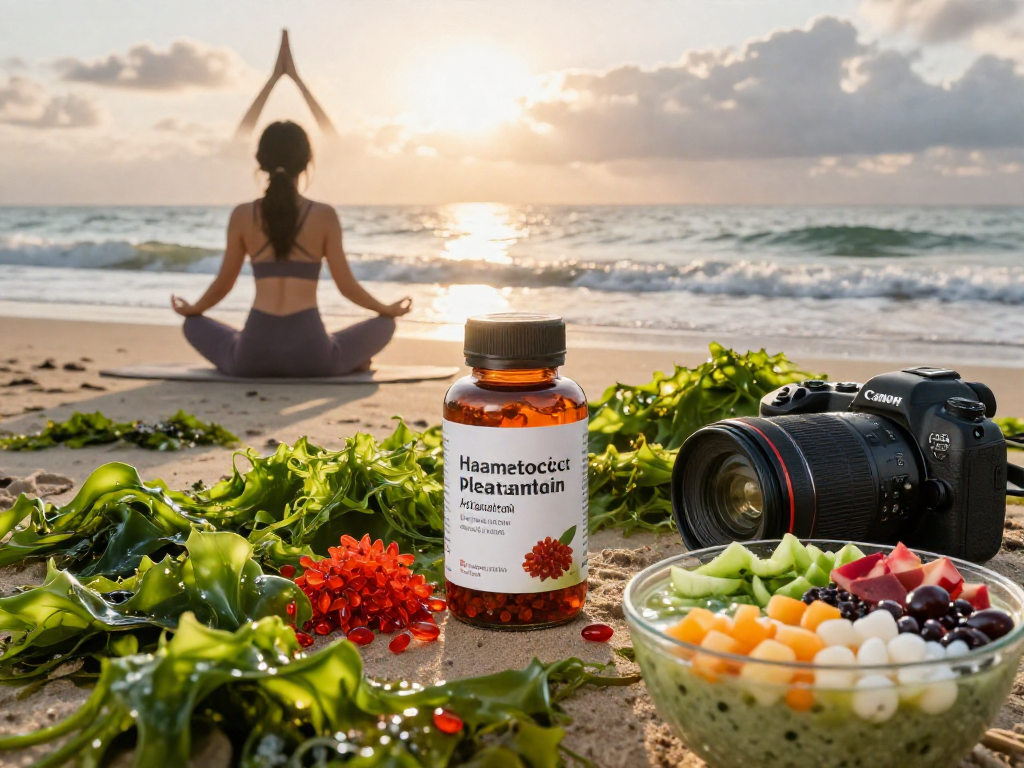
Understanding Haematococcus pluvialis Astaxanthin
Haematococcus pluvialis astaxanthin is a powerful natural antioxidant derived from a green microalga known as Haematococcus pluvialis. As the world becomes more health-conscious, interest in this potent compound has surged due to its numerous health benefits. In this article, we will explore the many facets of astaxanthin, including its benefits, sourcing methods, and its role in overall wellness. Notably, those interested in the potential of Haematococcus pluvialis astaxanthin will find valuable insights and practical advice to maximize its advantages.
What is Haematococcus pluvialis Astaxanthin?
Astaxanthin is a carotenoid pigment that gives certain marine organisms, such as salmon and shrimp, their characteristic pink color. It is particularly abundant in the microalga Haematococcus pluvialis, which produces this pigment as a defense mechanism against environmental stressors like UV rays and oxidative damage. As a result, astaxanthin has gained significant attention for its potential health benefits, which include its ability to combat oxidative stress, support skin health, and enhance athletic performance.
Benefits and Nutritional Profile
The benefits of Haematococcus pluvialis astaxanthin are numerous, with research highlighting its potential in various health domains. Some key benefits include:
- Powerful Antioxidant: Astaxanthin is considered one of the most potent antioxidants available, up to 6000 times stronger than vitamin C in some contexts.
- Anti-Inflammatory Properties: It can help reduce inflammation, potentially aiding in the management of chronic conditions like arthritis.
- Skin Protection: Astaxanthin has been shown to protect the skin from UV damage and promote skin elasticity, making it a popular ingredient in skincare products.
- Eye Health Support: It may help to prevent age-related macular degeneration and improve overall eye health.
- Exercise Recovery: Some studies suggest that astaxanthin supplementation can improve recovery time in athletes, enhancing performance and stamina.
How is Astaxanthin Sourced?
Astaxanthin can be sourced in two primary ways: through natural extraction from Haematococcus pluvialis and via synthetic production. The natural extraction process involves cultivating the algal species under controlled conditions to maximize astaxanthin production. This method not only ensures the purity of the compound but also helps preserve its beneficial properties. Synthetic astaxanthin is chemically created and, while it may be less expensive, it does not always offer the same health benefits as its natural counterpart.
The Science Behind Astaxanthin
Mechanisms of Action in the Body
Astaxanthin operates through various mechanisms that enhance health at the cellular level. Primarily, it works by neutralizing free radicals, thereby reducing oxidative stress, which can lead to cellular damage and multiple chronic diseases. It also modulates inflammatory pathways, helping to lower the risk of conditions linked to chronic inflammation.
Antioxidant Properties and Health Impacts
Research has indicated that astaxanthin can significantly impact health by maintaining cellular integrity and function. For instance, its antioxidant properties enable it to protect cells from damage caused by reactive oxygen species (ROS). Studies have shown that astaxanthin supplementation can lead to improvements in lipid metabolism, immune function, and even cognitive performance.
Research Studies and Findings
Numerous studies have explored the health benefits of astaxanthin. For example, a review published in the Journal of Functional Foods highlighted its potential to enhance athletic performance by reducing muscle fatigue and improving recovery times. Furthermore, a study in the International Journal of Molecular Sciences pointed to its protective effects against neurodegenerative diseases, emphasizing its role in maintaining brain health. These findings underline the promising future of Haematococcus pluvialis astaxanthin in the wellness domain.
Applications in Health and Wellness
Astaxanthin for Skin Health
In the skincare industry, astaxanthin has emerged as a prized ingredient. Its ability to combat oxidative stress and inflammation makes it effective in protecting against UV radiation, preventing wrinkles, and improving skin hydration. Studies suggest that topically applied astaxanthin can improve skin elasticity, reduce age spots, and enhance overall skin appearance.
Role in Eye Health and Vision
Astaxanthin has proven to be beneficial for eye health by protecting the retina from oxidative damage. It can improve blood flow to the eyes, which may protect against age-related macular degeneration (AMD) and other vision impairments. As we age, maintaining eye health becomes increasingly important, making astaxanthin a valuable addition to diets focused on longevity.
Impact on Exercise Performance and Recovery
Athletes have shown increasing interest in astaxanthin for its potential to enhance performance and accelerate recovery. Studies indicate that it can improve endurance, reduce muscle soreness, and enhance overall physical performance. These attributes make it a popular choice among sports nutritionists and fitness enthusiasts seeking to optimize their training regimens.
Choosing Quality Astaxanthin Supplements
What to Look for in Supplements
When selecting astaxanthin supplements, it's crucial to consider several factors to ensure quality and efficacy. Look for products that specify the source of astaxanthin, preferably from Haematococcus pluvialis. Additionally, verify the concentration of astaxanthin and check for third-party testing to confirm the absence of contaminants. Transparent labeling and good manufacturing practices are also signs of a reputable product.
Top Brands and Products Reviewed
The market for astaxanthin supplements is continually evolving, with several brands gaining recognition for their quality. Leading brands include:
- BioAstin: Known for its pure Hawaiian astaxanthin, this brand is popular among athletes.
- Kirkland Signature: Offers a cost-effective option with high-quality astaxanthin.
- Nutrex Hawaii: Renowned for its sustainably sourced astaxanthin from natural algae.
Consumer Considerations and Safety
While astaxanthin is generally considered safe for consumption, it is essential to adhere to recommended dosages. Some users may experience mild side effects, such as gastrointestinal discomfort or skin discoloration at high doses. It’s advisable for individuals with specific health conditions or those pregnant or breastfeeding to consult their healthcare provider before starting supplementation.
Future Trends in Astaxanthin Research
Emerging Studies and Areas of Interest
As research continues, several emerging trends and areas of interest are becoming apparent in astaxanthin studies. These include its potential role in neuroprotection, applications in metabolic health, and advancements in delivery methods to enhance bioavailability. The growing body of evidence is likely to drive further interest and innovation in astaxanthin-based products.
Predictions for 2026 and Beyond
Looking ahead to 2026, it is anticipated that the demand for astaxanthin will increase, driven by its proven health benefits and a growing wellness culture. We may see more sophisticated formulations and enhancements in extraction methods that improve potency and efficacy. Additionally, regulatory approvals for astaxanthin in new health applications could expand its use.
How to Stay Informed on Developments
Staying informed about the latest research and developments in astaxanthin can help consumers make educated choices. Following reputable health and wellness publications, subscribing to scientific journals, and joining communities dedicated to health supplements can provide valuable updates and insights into this promising compound.
What are the key benefits of Haematococcus pluvialis astaxanthin?
The key benefits include its powerful antioxidant properties, its role in enhancing skin and eye health, and its potential to improve exercise performance and recovery. These benefits contribute to an overall healthier lifestyle.
How is Haematococcus pluvialis sourced for supplements?
Haematococcus pluvialis is sourced through careful cultivation under specific conditions, ensuring the purity and potency of astaxanthin for supplementation, particularly focusing on natural extraction methods.
Can astaxanthin help with exercise recovery?
Yes, studies suggest that astaxanthin can significantly aid in exercise recovery by reducing muscle soreness and fatigue, making it a beneficial supplement for athletes.
What should consumers watch for when buying astaxanthin?
Consumers should prioritize products that specify their astaxanthin source, concentration, and third-party testing results to ensure quality and safety.
Are there any side effects associated with astaxanthin supplements?
While generally safe, some users may experience mild side effects, including gastrointestinal issues or skin discoloration at high doses. It's advisable to consult with a healthcare provider if uncertain.