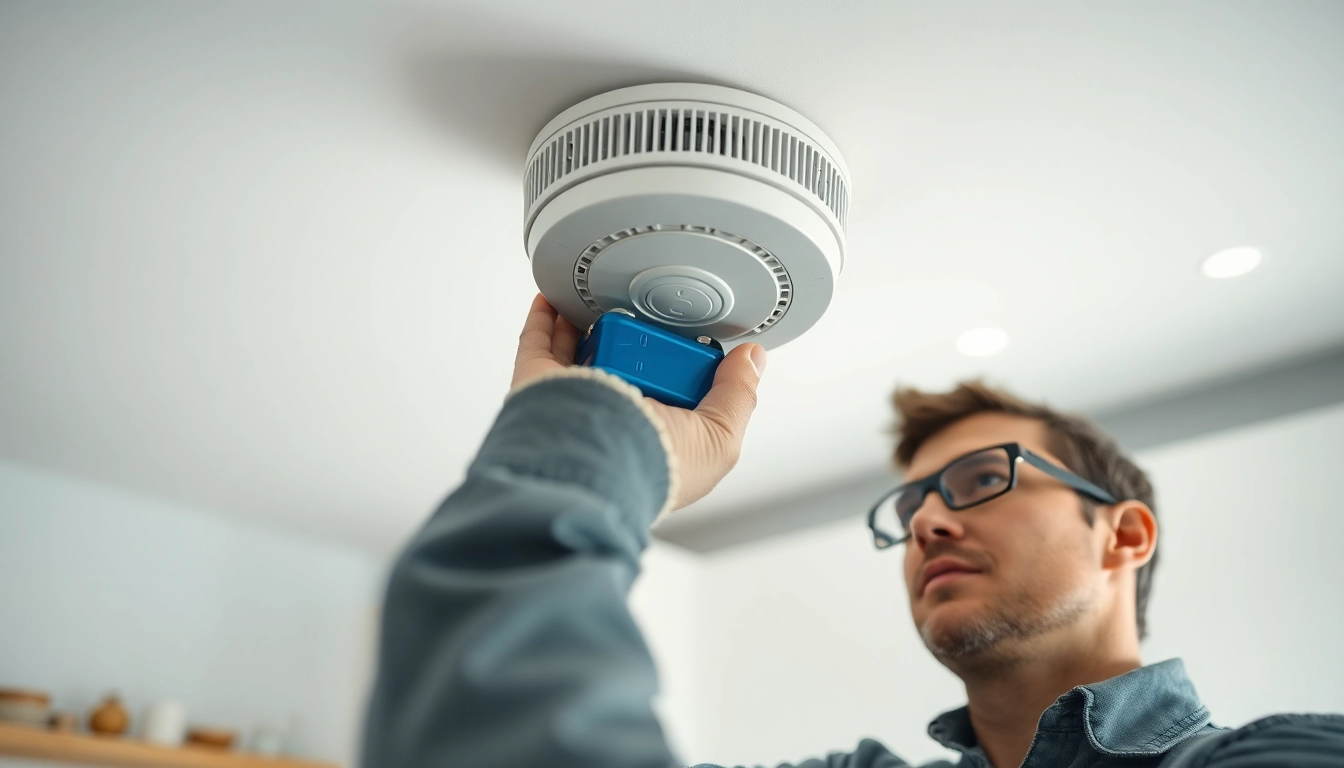
Understanding Smoke Detector Batteries
In the landscape of home safety, smoke detectors hold a critical position in protecting lives and property from fire hazards. A key component of any smoke detector is its battery, ensuring it operates efficiently and effectively. Understanding smoke detector batteries is imperative not only for ensuring the functionality of your smoke alarms but also for maintaining the safety of your home. The type of smoke detector battery you choose can influence its performance and lifespan. This guide delves into the different types of batteries, signs of low battery life, and tips for selecting the right battery for your smoke detector.
Types of Smoke Detector Batteries
Smoke detector batteries come in various forms, each with distinct features and purposes. Understanding these types can help streamline the replacement process and ensure optimal safety.
- Alkaline Batteries: Commonly used in many smoke detectors, alkaline batteries are affordable and accessible. They typically last about one year in a smoke detector.
- Lithium Batteries: These batteries offer a longer lifespan than alkaline, often exceeding ten years. Lithium batteries are ideal for smoke detectors as they require less frequent replacement.
- Rechargeable Batteries: While less common, some modern smoke detectors come equipped with rechargeable batteries, allowing them to maintain power without the hassle of regular replacement.
- Sealed Lithium Batteries: Many newer models contain sealed lithium batteries that cannot be replaced. When the battery life is exhausted, the entire unit usually requires replacement.
Signs of Low Battery Life
Identifying when the batteries in your smoke detectors are running low is crucial for maintaining fire safety. Common signs of low battery life include:
- Chirping Sounds: A sound often indicated by smoke detectors when their batteries are low.
- Increased Frequency of False Alarms: Low battery power may lead to poor performance, including false alarms.
- Non-Functioning Indicator Lights: The absence of lights or blinking indicators may suggest a battery failure.
How to Choose the Right Battery
Selecting the right battery for your smoke detector involves considering several factors:
- Compatibility: Always check the user manual for specifications regarding the type of battery required.
- Brand Reputation: Consider brands known for their battery quality and reliability.
- Energy Efficiency: Batteries that offer longer life expectancy and efficiency should be prioritized.
Best Practices for Smoke Detector Maintenance
Proper maintenance of smoke detectors is essential for ensuring they function as intended in an emergency. Neglecting maintenance can lead to failure, putting your safety at risk. Here are some best practices to implement:
Regular Testing Schedule
Establishing a regular testing schedule for your smoke detectors can help ensure they're functioning correctly. Test your smoke alarms at least once a month by pressing the test button until you hear the alarm sound. This simple step can confirm your units are operational.
Common Maintenance Mistakes
Throughout the years, several maintenance errors can undermine the effectiveness of smoke detectors:
- Skipping Regular Battery Changes: Failing to change batteries or overlooking expiration dates can result in malfunction.
- Neglecting Dust and Debris: Dust buildup can block the sensor openings, leading to false alarms or no alarms at all.
- Ignoring Manufacturer Recommendations: Different smoke detectors have specific guidelines for maintenance that should not be disregarded.
How to Replace Smoke Detector Batteries
Replacing batteries in your smoke detectors is straightforward, and following these steps will minimize risks:
- Turn off the power to the smoke detector (if it is hard-wired).
- Remove the unit from its mounting bracket.
- Open the battery compartment and safely dispose of the old battery.
- Insert the new battery, ensuring the positive and negative terminals are aligned correctly.
- Test the smoke detector by pressing the test button before re-mounting it.
- Return the unit to its bracket and power it back on.
The Importance of Battery Quality
The quality of the battery used in a smoke detector is paramount in ensuring reliability. Using subpar batteries can lead to failure precisely at the moment they are needed most. Here’s a deeper look into why battery quality matters:
Top Brands for Smoke Detector Batteries
Investing in reputable battery brands can significantly improve the performance of your smoke detectors. Some of the top brands include:
- Energizer: Known for its longevity and reliability, Energizer provides both alkaline and lithium battery options.
- Duracell: A household name, Duracell offers high-quality batteries specifically designed for smoke detectors.
- Panasonic: Renowned for technological advancements, Panasonic batteries often promise extended lifespan.
Understanding Battery Ratings
When choosing batteries for your smoke detectors, it's essential to understand battery ratings, which indicate their suitability for various applications. Look for ratings that outline:
- Voltage: Most smoke detectors require a specific voltage to function correctly.
- Capacity: Measured in milliamp hours (mAh), this indicates how long the battery will last under standard usage.
- Temperature Range: Ensure the battery is suited for varying temperatures, especially if installed in areas subject to heat fluctuations.
Impact of Battery Quality on Performance
The quality of the battery directly influences the overall performance of the smoke detector. Poor-quality batteries can:
- Cause delayed or muted alarm sounds in emergencies.
- Lead to more frequent false alarms.
- Augment the risk of battery leakage, damaging the smoke detector unit.
Regulations and Recommendations
Fire safety regulations vary widely across regions, and it is vital to be aware of these to ensure compliance and ensure safety. This section outlines local regulations, fire department recommendations, and international standards:
Local Fire Safety Codes
Local fire safety codes typically dictate the type, location, and maintenance requirements for smoke detectors. It's important to consult local regulations to ensure your home is compliant, which may include:
- Requiring smoke detectors to be installed on every floor of a home.
- Mandating specific types of smoke detectors in certain areas, such as kitchens and bedrooms.
Recommendations from Fire Departments
Fire departments often release guidance concerning smoke detector usage and maintenance practices:
- Replacing smoke detectors every 10 years, regardless of their operation.
- Instructing homeowners to familiarize themselves with the specific strengths and limitations of their smoke detectors.
- Promoting community education about the importance of having a fire escape plan that includes working smoke detectors.
International Standards for Smoke Detectors
Several international standards govern the manufacturing and functionality of smoke detectors for global safety compliance. Key standards include:
- UL 217: This standard outlines the specific performance criteria for smoke alarms.
- IEC 300-680: Establishes general guidelines for the installation and operation of smoke detectors.
Innovative Technologies in Smoke Detectors
Advancements in technology have led to the development of more sophisticated smoke detection systems, improving overall safety and convenience in homes. This section explores some notable innovations:
Smart Smoke Detectors and Their Features
Smart smoke detectors represent a significant leap forward, integrating technology that allows for enhanced functionality:
- Mobile App Connectivity: Many smart detectors sync with home automation systems or mobile apps to send alerts directly to users’ phones.
- Self-Monitoring Capabilities: These detectors can perform regular self-checks to ensure they are functioning correctly and send notifications in case of issues.
- Voice Alerts: Instead of a standard beep, smart smoke detectors can provide spoken alerts indicating the nature of the danger.
The Future of Battery Technology
The future of battery technology in smoke detectors is promising, with developments towards longer-lasting and environmentally-friendly options. Advancements in solid-state batteries and energy-efficient designs offer the potential for:
- Significantly extended lifespan, reducing the need for frequent replacements.
- Improved safety through lower risk of leakage and fire.
Integrating Smoke Detectors with Home Security Systems
As home security systems evolve, integrating smoke detectors within these frameworks is becoming increasingly common. Doing so enhances safety by providing comprehensive coverage. Key benefits include:
- Centralized monitoring that alerts homeowners and security teams about smoke events.
- Connection to smart home devices that can undertake actions such as turning off HVAC systems during a fire.