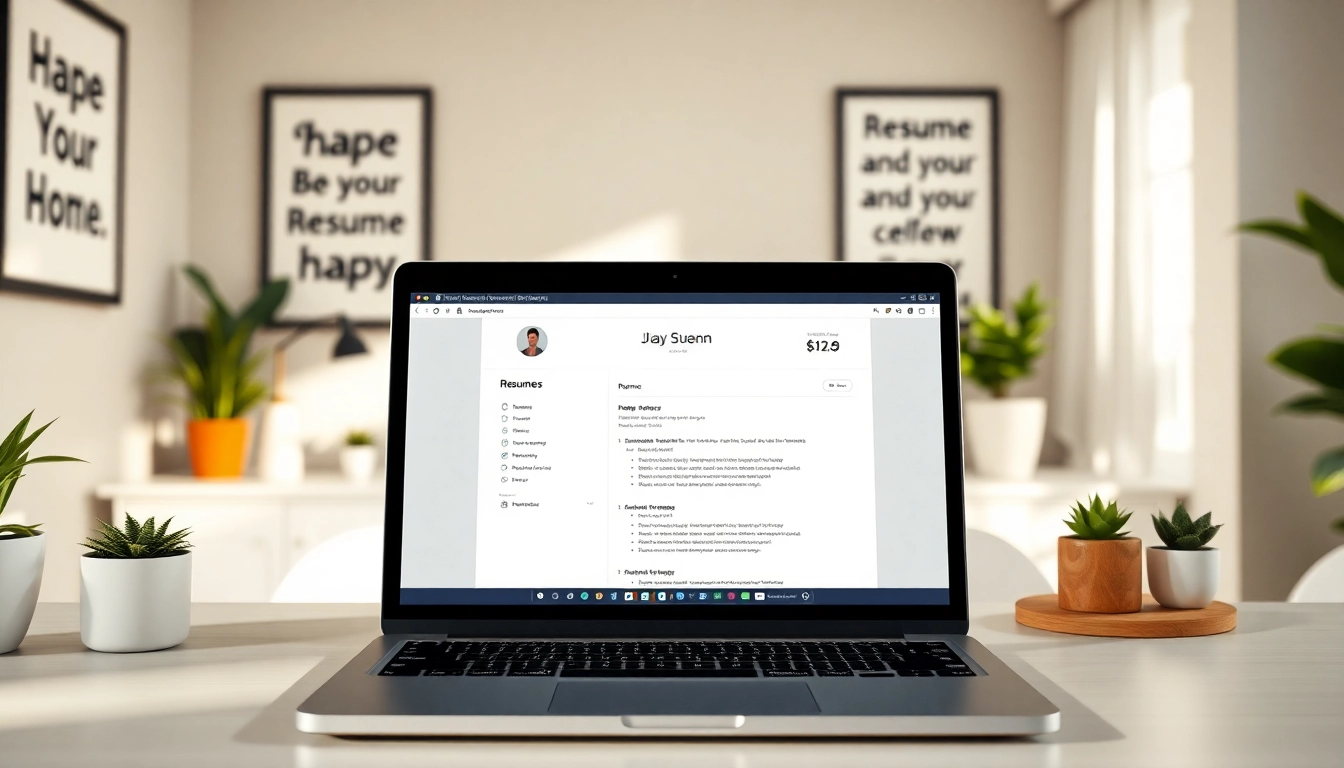
Understanding the Resume Builder
What is a Resume Builder?
A Resume Builder is an online tool that simplifies the process of creating professional resumes. It provides users with a guided interface, allowing them to enter their personal information, educational background, and work experience. This tool streamlines the resume creation process by offering various templates that are visually appealing and tailored for different industries, ultimately making it easier for job seekers to stand out in a competitive job market.
Key Features of a Resume Builder
Modern resume builders come packed with various features designed to enhance the user experience and effectiveness of the final document. Some of the key features include:
- Templates: A wide variety of professionally designed templates that cater to different professions and aesthetic preferences.
- Customization: Options to customize fonts, colors, and layouts to reflect personal branding and style.
- Guided Prompts: Step-by-step instructions that help users input information correctly and effectively.
- Real-Time Feedback: Suggestions and edits that improve the quality of content as it is being created.
- Download Options: The ability to download the final resume in multiple formats, including PDF and Word documents.
Benefits of Using a Resume Builder
Using a resume builder offers several advantages over traditional resume-writing methods. These benefits include:
- Time-Efficiency: Resume builders expedite the process, allowing users to create a polished resume in a fraction of the time it would take manually.
- Professional Quality: Tools typically produce resumes that are well-structured and professional in appearance, increasing the chances of catching an employer's attention.
- User-Friendly: Designed for individuals with varying levels of experience, they are often more straightforward and more accessible than word processing software.
- Reduction of Errors: Built-in grammar and spell-check tools help minimize mistakes that could detract from the quality of the resume.
- Access to Resources: Many builders offer additional resources, such as cover letter templates and interview tips, providing a comprehensive job application toolkit.
How to Get Started with a Resume Builder
Choosing the Right Template
The first step in using a resume builder is to select a template that aligns with the job you are applying for. Consider the industry standards; for example, creative positions may benefit from more visually dynamic templates, while corporate roles typically favor a clean and professional layout. Take your time browsing through the options and select one that best represents your personal branding.
Entering Your Information
Once you’ve chosen a template, it's time to fill in your personal information. Begin with the header, which should contain your name, contact details, and possibly a link to your portfolio or LinkedIn profile. Proceed to list your education, previous work experiences, skills, and any certifications or achievements relevant to the position. Consider using bullet points for easy readability and ensuring that your information is concise.
Customizing Your Resume
After entering the essential information, the next step is to customize your resume further. Utilize the design features to adjust colors, fonts, and layouts as needed. Aim for consistency in styling to produce a polished look. Additionally, use the editing tools to ensure that your content is clear and impactful, enhancing the overall message of your resume.
Best Practices for Crafting Your Resume
Tailoring Your Resume for Job Applications
One of the most critical aspects of writing a resume is tailoring it to fit the specific job application. This means adjusting your experiences and skills to highlight those that are most relevant to the job description. Use keywords from the listing, as this can improve the chances of passing through automated applicant tracking systems. Always read the job posting carefully and align your resume accordingly.
Highlighting Key Skills and Experiences
Utilize a dedicated skills section to showcase your competencies prominently. Focus not only on hard skills related to the job but also on soft skills that demonstrate your ability to collaborate and adapt. Provide specific examples that illustrate how you've successfully applied these skills in previous roles, making your experiences tangible and relatable to hiring managers.
Avoiding Common Resume Mistakes
To create an effective resume, it's crucial to avoid common pitfalls. Ensure your resume is free from grammatical errors and typos, as these can create a negative impression. Keep the length of your resume concise, ideally one page, unless you have extensive experience that requires additional space. Additionally, refrain from using overly complex language or jargon, which can make it harder for readers to get your key points.
Enhancing Your Resume with Additional Tools
Using Design Tools Alongside the Resume Builder
Complement your resume builder with design tools to enhance its visual appeal. Graphic design platforms allow you to create custom graphics, such as logos and infographics, that can be added to your resume or professional portfolio. These design elements can provide a visual storytelling aspect that sets you apart from other candidates.
Incorporating Keywords for Applicant Tracking Systems
Applicant tracking systems often sift through resumes for specific keywords related to the position. To improve your chances of being noticed, make sure to incorporate relevant industry terminology and keywords from the job description throughout your resume. This strategic placement can help your resume rank higher in automated screenings.
Adding Cover Letters and References
Consider creating complementary documents, such as a tailored cover letter and a list of professional references. A well-crafted cover letter allows you to elaborate on your resume and explain why you are the right fit for the job. Be sure to format references clearly and ask permission from your references before including them on your resume.
Evaluating Your Resume's Effectiveness
Utilizing Feedback to Improve Your Resume
After completing your resume, seek feedback from peers or mentors. Constructive criticism can provide insights you might have overlooked. Utilize their suggestions to fine-tune your document further. Making adjustments based on external input can significantly enhance the quality and effectiveness of your resume.
Measuring Your Resume’s Success Rate
After submitting your resume, track your success rate by noting the number of responses and interview requests you receive. If you're not getting the results you hoped for, consider revisiting your resume and adjusting your strategies. Analyze the effectiveness of different resumes submitted to various job postings to discern patterns in success.
Staying Updated with Job Market Trends
The job market is ever-evolving, and staying informed about industry changes is crucial. Regularly updating your resume to reflect new skills, certifications, and experiences can keep your application fresh and relevant. Follow industry news and trends to include information that may capture the attention of potential employers.
Frequently Asked Questions
What is the best format for a resume?
The best format depends on your experience level and the job you're applying for. Commonly used formats include chronological, functional, and combination resumes. Choose one that best highlights your qualifications for the position.
How long should my resume be?
Your resume should ideally be one page, especially if you have fewer than ten years of experience. Use a second page only if you have extensive or relevant qualifications that warrant more detail.
Should I include references on my resume?
It's not necessary to include references directly on your resume. Instead, mention that references are available upon request, and provide a separate document if asked.
Can I use the same resume for all jobs?
While you can use a base resume for multiple applications, it's crucial to tailor each one to the specific job you’re applying for, adjusting keywords and highlighting relevant experiences to improve your chances.
How often should I update my resume?
Update your resume regularly, especially after securing new positions, completing projects, or acquiring new skills. This ensures that your resume remains current and accurately represents your capabilities.