1. Introduction to Austin Construction
1.1 Overview of the Construction Landscape in Austin
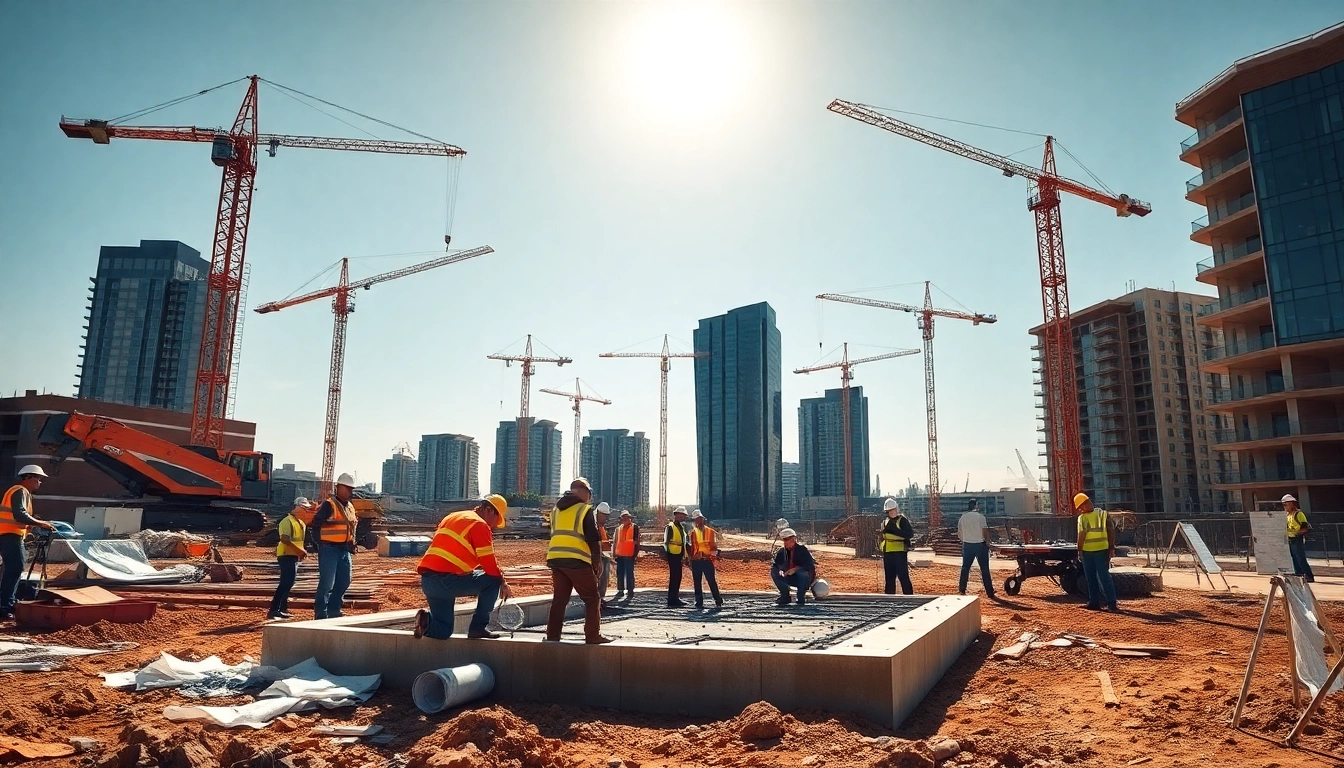
Austin, Texas, has emerged as one of the most vibrant metropolitan areas in the United States, reflecting a growing demand for housing, commercial spaces, and infrastructure development. This surge in development can be attributed to the city's robust economy, a diverse population, and its reputation as a tech hub. The Austin construction landscape is characterized by a mix of traditional building practices and innovative techniques, aiming to cater to the city's dynamic needs while also promoting sustainability and economic growth.
The city's construction industry is diverse, comprising residential, commercial, and public sector projects. This diversity necessitates a comprehensive understanding of the regulations, cultural nuances, and best practices specific to the Austin area. As new developments take shape, staying informed about current trends, challenges, and regulations becomes paramount for contractors and stakeholders invested in Austin’s growth.
1.2 The Importance of Sustainable Construction Practices
Sustainable construction practices are at the forefront of Austin's building initiatives. As environmental concerns gain traction globally, Austin has responded by prioritizing green building techniques and materials. Sustainable construction not only helps reduce the carbon footprint of new projects but also ensures long-term economic viability and community well-being.
Local regulations often encourage the adoption of LEED (Leadership in Energy and Environmental Design) standards, which promote energy efficiency, water conservation, and the use of sustainable materials. By implementing these practices, construction companies in Austin can contribute to the city’s overall goal of a more sustainable future while also appealing to environmentally conscious clients.
1.3 Key Regulations Affecting Austin Construction
Understanding the regulatory environment is crucial for any construction project in Austin. The city has specific zoning laws, building codes, and environmental regulations meant to ensure safety, sustainability, and community standards. Compliance with these regulations not only reduces the risk of legal repercussions but also enhances the overall quality of construction.
For instance, the City of Austin's building codes regulate everything from structural integrity to energy efficiency requirements. Additionally, the city emphasizes the importance of developing infrastructure that respects and preserves the natural landscape. As a result, constructors must navigate a complex web of regulations to deliver compliant and successful projects.
2. Current Trends in Austin Construction
2.1 Innovations Shaping the Future of Austin Construction
The construction industry in Austin is witnessing a wave of innovations that are transforming traditional methods. Advancements in modular construction, prefabrication techniques, and sustainable building materials are leading the charge. Modular homes, for instance, can be built off-site and assembled on location, drastically reducing build time and minimizing waste.
Moreover, the integration of Building Information Modeling (BIM) technology is revolutionizing project planning and execution. By enabling detailed visualizations and precise calculations, BIM helps prevent costly errors and enhances collaboration among stakeholders, ensuring that projects stay within budget and on schedule.
2.2 The Role of Technology in Streamlining Projects
Technology plays an indispensable role in the construction sector, particularly in Austin, where the industry is rapidly adapting to new demands. From project management software to drone surveys, technology is enabling better communication, enhanced safety measures, and improved efficiency across the board.
Drones, for example, are increasingly used for site inspections, providing real-time data and aerial views that can make project management more efficient while reducing the risks associated with on-ground inspections. Similarly, AI-driven analytics tools are being adopted to predict project outcomes, manage resources more effectively, and streamline processes.
2.3 Eco-Friendly Designs Gaining Popularity
Eco-friendly architecture is on the rise in Austin, with an increasing number of developers opting for designs that are both aesthetically pleasing and environmentally responsible. Incorporating green roofs, energy-efficient systems, and rainwater harvesting technologies aligns with Austin’s commitment to sustainability.
Many new projects emphasize the practice of biophilic design, which integrates nature into built environments, positively impacting the well-being of inhabitants. By fostering a connection to nature, these designs not only improve air quality and reduce energy consumption but also provide mental health benefits to occupants.
3. Challenges Facing Construction in Austin
3.1 Rising Costs and Resource Availability
One of the primary challenges facing builders in Austin is the rising cost of materials and labor. As demand for construction surges, the prices of essential materials like lumber, steel, and concrete have increased significantly. This has forced many construction companies to reevaluate their budgets and sourcing strategies to remain competitive.
Moreover, the demand for skilled labor continues to outpace supply. This shortage has led to further wage increases, complicating project costs and timelines. To mitigate these challenges, constructions firms may need to invest in workforce training and explore alternative materials or construction methods that are more cost-effective.
3.2 Navigating Zoning Laws and Permitting Issues
Navigating Austin's zoning laws and permitting processes can be complex and time-consuming. The city has strict regulations in place designed to maintain community standards and manage growth effectively. However, these regulations can sometimes act as barriers for developers, leading to delays and increased costs.
For successful project outcomes, construction companies must work closely with legal experts and city officials. Establishing relationships with local authorities can facilitate smoother processes in obtaining necessary permits and adapting to zoning changes that may affect upcoming projects.
3.3 Impact of Weather and Natural Events on Construction
Austin's unique climate can significantly impact construction schedules and practices. Sudden rainstorms, flooding, or extreme heat can pose hazards on job sites, leading to work stoppages and potential damage to materials. Construction firms must develop comprehensive risk management plans that incorporate weather forecasts and natural hazard assessments into their project planning.
Incorporating resilient design principles and using materials that withstand the local climate can help mitigate the impact of these challenges. Firms are also encouraged to adopt flexible scheduling approaches to account for potential weather-related delays.
4. Best Practices for Successful Austin Construction Projects
4.1 Effective Project Management Strategies
Efficient project management is key to the success of any construction endeavor in Austin. Employing proven strategies such as Agile project management can promote flexibility and responsiveness throughout the construction process. This method encourages regular, incremental progress assessments and facilitates quick pivots in response to unexpected challenges.
Utilizing comprehensive project management software can streamline communication, task assignment, and progress tracking, ensuring that all team members have access to the same information and can coordinate effectively, enhancing overall project efficiency.
4.2 Building Strong Relationships with Local Stakeholders
Establishing relationships with local stakeholders such as community leaders, city officials, and neighborhood associations can significantly benefit construction projects. Engaging stakeholders early in the project can foster trust and transparency, helping to alleviate concerns and garner community support.
Regular updates and open communication regarding project developments can help maintain positive relationships and ensure that the construction aligns with community expectations and values. This approach not only smoothens the approval process but can also prevent future opposition or conflicts.
4.3 Ensuring Safety Compliance on Job Sites
Safety is a paramount concern on construction sites, making compliance with OSHA (Occupational Safety and Health Administration) standards critical. Implementing rigorous safety training programs and regular safety audits can help identify potential hazards and mitigate risks for workers.
Furthermore, fostering a culture of safety awareness and accountability among team members encourages adherence to safety protocols. Utilizing technology, such as wearable safety devices and mobile safety applications, can also enhance monitoring and prompt reporting of safety issues.
5. Measuring Success in Austin Construction
5.1 Key Performance Indicators for Construction Projects
In assessing construction success, implementing key performance indicators (KPIs) is essential. Common KPIs include project completion time, budget adherence, quality of work, and safety incident rates. Tracking these metrics provides valuable insights into project performance and highlights areas for improvement.
Companies should establish benchmarks for these KPIs based on similar projects to evaluate their performance accurately. This approach facilitates continuous improvement within teams and ensures that future projects benefit from lessons learned from past experiences.
5.2 Evaluating Customer Satisfaction and Feedback
Understanding customer satisfaction is crucial for the construction industry's long-term viability. Regularly gathering feedback from clients can provide insights into areas of strength and opportunities for growth. Techniques such as post-project surveys, direct interviews, and client follow-up meetings can help gauge satisfaction levels.
Acting on feedback, whether positive or negative, demonstrates commitment to continuous improvement and client satisfaction, which is paramount in a highly competitive market like Austin.
5.3 Future-Proofing Your Construction Business
To ensure longevity in Austin's ever-evolving construction market, firms must continuously adapt to changes in technology, regulations, and market demands. Investing in employee training and development can equip teams with the necessary skills to navigate this dynamic landscape.
Furthermore, adopting sustainable practices and exploring innovative construction methods can position businesses favorably for future opportunities and challenges. By being proactive and adaptable, construction firms can establish themselves as leaders in Austin’s construction industry.