
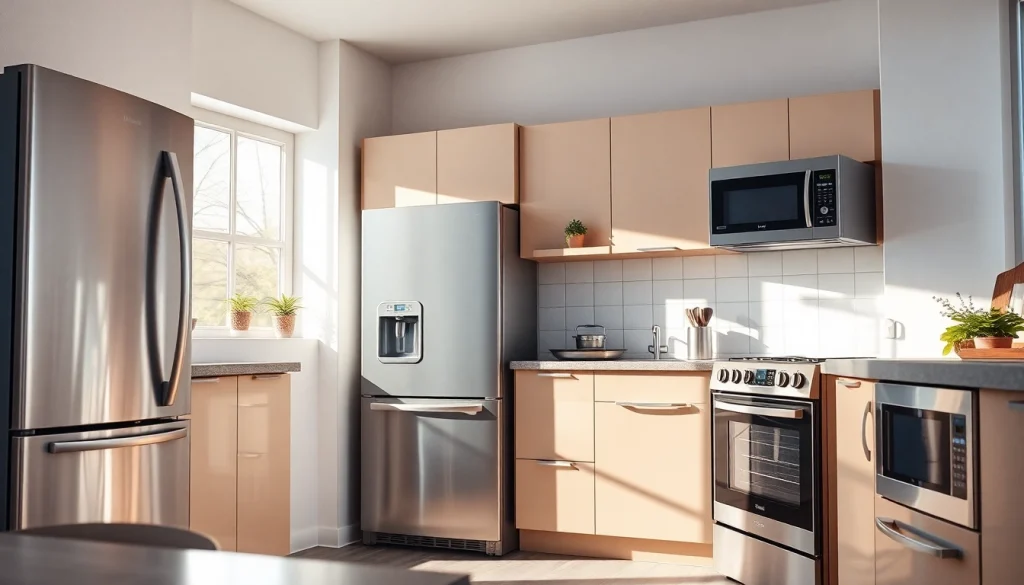
The Basics of Home Appliances
Home appliances are essential tools designed to make our daily tasks more manageable, enhancing the convenience and efficiency of household chores. From preparing meals to cleaning our living spaces, the right home appliances can significantly elevate the quality of our home life. This comprehensive guide dives into everything you need to know about home appliances, encompassing types, energy efficiency, selection tips, and future trends.
Understanding Different Types of Home Appliances
Home appliances can be broadly categorized into two types: major appliances and small appliances. Major appliances, or “white goods,” typically include items that are more cumbersome and require dedicated space, such as refrigerators, ovens, and washing machines. Small appliances, on the other hand, are more portable and versatile, including items like microwaves, toasters, and coffee makers.
Energy Efficiency and Its Importance
Energy efficiency has become a critical consideration when selecting home appliances. Efficient appliances use less energy, which can lead to significant cost savings on utility bills over time. By looking for appliances with the Energy Star label, consumers can ensure they are making environmentally friendly choices. Moreover, many local governments offer rebates for energy-efficient appliances, providing an additional incentive for homeowners.
Choosing the Right Home Appliances for Your Space
Selecting the right home appliances involves considering your space constraints, lifestyle needs, and budget. Measure your available space and assess the flow of your daily activities to ensure that the appliances you choose will fit seamlessly into your home. For instance, a compact dishwasher is ideal for small kitchens, while a more extensive refrigerator may be vital for larger families.
Kitchen Appliances: The Heart of Your Home
The kitchen is often referred to as the heart of the home, and rightly so. It is a space where families gather, meals are prepared, and memories are made. Due to this significance, investing in top-quality kitchen appliances is essential.
Essential Kitchen Appliances for Every Home
There are several appliances that every kitchen should ideally have. A reliable refrigerator is non-negotiable, serving as the hub for food storage. An oven and stove are equally essential for cooking, whether it’s baking bread or daily meal preparation. Additionally, a microwave adds quick heating capabilities, while blenders, mixers, and food processors can boost meal prep efficiency.
Upgrade Your Cooking with Innovative Technology
Technology has transformed the kitchen, making cooking more efficient and enjoyable. Innovations such as induction cooktops offer faster heating, while smart ovens can be controlled remotely via smartphones. Appliances with adaptive features can even adjust cooking times based on the weight and type of food being prepared, taking the guesswork out of meal preparation.
Best Practices for Maintaining Kitchen Appliances
Proper maintenance of kitchen appliances extends their lifespan and performance. Regular cleaning is crucial; for instance, keeping your refrigerator coils clean helps it run more efficiently. It’s also essential to routinely check seals and gaskets on ovens and refrigerators to prevent energy loss. For more complex appliances like dishwashers, refer to the user manual for specific care instructions to avoid malfunctions.
Cleaning and Laundry Home Appliances
Maintenance of a clean home is aided significantly by effective cleaning and laundry appliances. These machines alleviate the laborious task of cleaning, allowing for a more enjoyable living environment.
Top Cleaning Appliances to Simplify Your Chores
Every home benefits from efficient cleaning appliances. Vacuum cleaners come in various types, from robotic vacuums that require minimal oversight to heavy-duty models suitable for deep cleaning. Steam mops are great for sanitizing hard floors without harsh chemicals, and high-efficiency washers and dryers make laundry day much less daunting.
Choosing Energy-Efficient Laundry Options
When selecting laundry appliances, prioritize energy efficiency to conserve resources and save on electricity costs. Look for washer and dryer sets that feature energy-saving modes and larger capacities, allowing you to do less frequent loads. This efficiency is crucial for reducing not only energy usage but also water consumption, especially in areas prone to drought.
Care Tips for Durability and Performance
To ensure that cleaning appliances perform well over time, routine maintenance is essential. Keeping filters clean in vacuum cleaners and regularly servicing washing machines can prevent buildup that may lead to malfunctions. For optimal dryer performance, ensure the lint trap is clean after each use, and periodically check the venting system for blockages.
Smart Home Appliances: A New Era of Convenience
Smart home appliances have revolutionized the way we interact with our living spaces. These devices offer advanced features that enhance convenience and efficiency.
What Are Smart Home Appliances?
Smart home appliances are devices that can be controlled remotely via smart devices or can communicate with each other through the Internet of Things (IoT). They come equipped with sensors, connectivity features, and AI functionalities, allowing users to operate them from almost anywhere.
Benefits of Integrating Smart Appliances
Integrating smart appliances into your home can lead to significant advantages. They provide enhanced convenience, such as programmable settings for cooking and cleaning. Moreover, many smart appliances feature energy monitoring capabilities, giving users insights into their energy consumption and helping to reduce waste.
Popular Smart Home Appliances to Consider
Some popular smart appliances that can enhance your home include smart refrigerators that can notify you when food is running low, smart ovens that allow remote preheating, and smart thermostats that optimize energy use by adapting to your schedule. Additionally, smart speakers can control multiple appliances through simple voice commands, creating a seamless home automation experience.
Future Trends in Home Appliances
The landscape of home appliances is continually evolving. Keeping an eye on future trends can help consumers stay ahead of the curve, ensuring they choose products that meet their needs for years to come.
Sustainable Solutions in Home Appliances
As awareness of environmental issues grows, manufacturers are increasingly focused on sustainability. This can include using eco-friendly materials in appliance production and designing products that consume less power and water. Future solutions may also involve upcycled technology and appliances built to last longer, reducing waste.
Emerging Technologies in Home Appliances
With advancements such as artificial intelligence and IoT, home appliances are becoming smarter. Future trends suggest a rise in personalization features, allowing appliances to adapt to individual user preferences, predicting needs and offering tailored recommendations to enhance user experience.
Preparing for the Next Generation of Home Appliances
To prepare for the next wave of home appliances, consumers should consider investing in products that are compatible with smart home technology. Additionally, staying informed about advances in energy efficiency can aid in selecting appliances that not only benefit the home today but also remain relevant as technology evolves in the future.
Frequently Asked Questions
1. What types of home appliances are essential for a new home?
Essential home appliances include a refrigerator, stove, microwave, washing machine, and vacuum cleaner. These help with daily cooking, cleaning, and laundry tasks.
2. How can I improve the energy efficiency of my home appliances?
Choose Energy Star rated devices, unplug appliances when not in use, and maintain them properly to ensure optimal performance and energy savings.
3. What is the lifespan of common home appliances?
The lifespan varies; refrigerators last about 10-20 years, washing machines 10-15 years, and microwaves around 9-10 years, depending on usage and maintenance.
4. Are smart home appliances worth the investment?
Smart home appliances often offer energy savings, convenience, and enhanced functionalities, making them a worthwhile investment for many homeowners.
5. How often should I maintain my home appliances?
Regular maintenance is key. Schedule checks for major appliances annually, and clean filters and surfaces monthly to keep them running efficiently.