
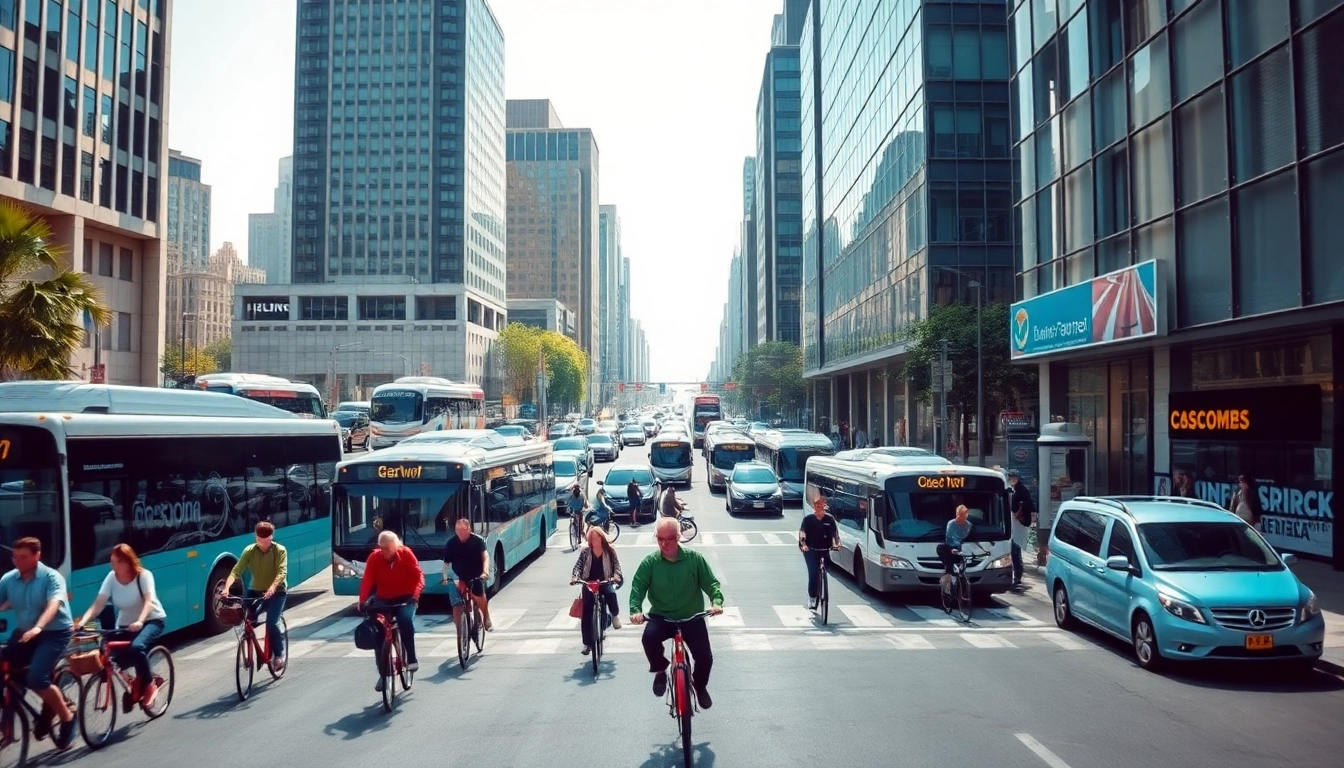
Introduction to Transportation
Transportation is a vital element of modern society, facilitating the movement of people and goods across various distances. As our world grows increasingly interconnected, the need for efficient and reliable transportation systems continues to rise. For individuals and businesses alike, understanding the intricacies of transportation is essential for optimizing travel, reducing costs, and improving overall efficiency. This article delves into the definition of transportation, its historical development, current trends, types of transportation, technological advancements, environmental considerations, and the economic impact of transportation systems.
Definition and Importance of Transportation
Transportation, in its broadest sense, refers to the movement of people, animals, and goods from one location to another. This can occur through various modes, including road, rail, air, and water. The importance of transportation cannot be overstated; it underpins commerce, allows for accessibility to goods and services, supports social connections, and enhances quality of life. Effective transportation systems are critical for economic growth and development, allowing regions to thrive by connecting businesses with their customers and providing individuals access to opportunities.
Historical Development of Transportation Systems
The evolution of transportation systems reflects the changing needs and technologies of society. Early civilizations relied on rudimentary methods such as walking, animal labor, and simple rafts for travel and trade. The invention of the wheel was revolutionary, enabling faster land travel and trade routes. Following this, the period of industrialization witnessed significant advancements, including the development of steam locomotives and mechanized shipping vessels, profoundly changing the landscape of transportation. Today, innovations continue to drive the sector forward, with concepts like high-speed rail networks and electric vehicles becoming integral to modern mobility.
Current Trends in Transportation Services
Today, major trends are shaping transportation services. One of these is the push towards sustainability, with an increasing number of transportation companies adopting green practices. Additionally, there is a growing demand for smart transportation systems that utilize data analytics and IoT (Internet of Things) technologies to optimize traffic flow and improve safety. The rise of ride-sharing services and the gig economy has also transformed the transportation landscape, enabling more flexible options for consumers while creating new business models.
Types of Transportation
Public Transportation Solutions
Public transportation plays a crucial role in mitigating traffic congestion, lowering carbon emissions, and providing affordable travel options. Systems such as buses, subways, and trams cater to urban populations, facilitating daily commutes and reducing the number of private vehicles on the road. For example, cities like New York and London have well-established public transportation networks that serve millions of passengers daily. These systems are vital for social equity, providing mobility to those without access to personal vehicles.
Private Transportation Options
Private transportation options include personal vehicles, taxis, and ride-sharing services like Uber and Lyft. Owning a private vehicle offers convenience and flexibility, allowing individuals to travel on their terms. However, it can also contribute to urban congestion and pollution. Ride-sharing services have emerged as a popular alternative, offering on-demand transportation without the need for ownership. While these services provide convenience, they also raise questions about traffic patterns and regulatory frameworks.
Alternative Transportation Methods
Alternative transportation methods are essential for sustainable urban development. Bicycles, walking, and electric scooters have gained traction as viable modes of city transport. Cities such as Amsterdam and Copenhagen are renowned for their cycling infrastructure, promoting healthier lifestyles and reducing reliance on fossil fuels. Furthermore, public initiatives to establish more pedestrian-friendly urban spaces encourage community interaction and reduce vehicle traffic, ultimately fostering a more sustainable environment.
Technology in Transportation
Innovations Shaping the Future of Travel
Technology is transforming transportation in unprecedented ways. From the rise of mobile applications that optimize travel routes to the integration of artificial intelligence (AI) in traffic management systems, innovation is paving the way for enhanced efficiency and safety. Companies are also experimenting with drone technology for deliveries, promising faster and more efficient logistics solutions. Additionally, advancements in battery technology are driving the growth of electric and hybrid vehicles, which are becoming increasingly popular.
Impact of Autonomous Vehicles
The introduction of autonomous vehicles represents a significant milestone in the transportation sector. Self-driving cars and trucks have the potential to reduce human error-related accidents, ease traffic congestion, and alter urban planning dynamics. Companies like Waymo and Tesla are at the forefront of this revolution, extensive testing their vehicles in real-world conditions. However, the widespread adoption of autonomous vehicles raises complex legal, ethical, and infrastructure issues that society must address.
Smart Transportation Systems
Smart transportation systems leverage data and technology to enhance mobility and safety. These systems employ sensors, cameras, and real-time data analytics to manage traffic flows and improve public transit operations. Major urban areas have begun implementing these technologies to optimize traffic signals, reduce congestion, and enhance traveler information. Organizations are beginning to harness big data to forecast transportation trends, ensuring that cities allocate resources effectively and sustainably.
Environmental Considerations
Sustainability in Transportation
Sustainability is a growing focus within the transportation sector. Policymakers and businesses are recognizing the pressing need to lower emissions and promote eco-friendly practices. Electric vehicles, hybrid systems, and investments in renewable energy sources are taking center stage. Furthermore, government incentives for the adoption of green technologies are becoming more common, encouraging sustainable practices across all transportation modes.
Reducing Carbon Footprint
An essential aspect of sustainable transportation is reducing the carbon footprint associated with different modes of transport. Public transportation systems, such as buses and trains, typically produce lower emissions per passenger compared to private vehicles. Implementing policies that promote the use of cleaner fuels and incentivizing public transport use can significantly reduce urban emissions. Additionally, infrastructure improvements, such as creating dedicated lanes for electric vehicles, can encourage their use, further decreasing carbon outputs.
Policies for Environmental Protection
Governments play an essential role in establishing policies that protect the environment while facilitating transportation. Regulations on emissions, investments in green technologies, and support for renewable energy initiatives are critical. Policymakers are increasingly balancing economic growth with ecological sustainability by promoting public transport and electric vehicle usage. International agreements, such as the Paris Agreement, further press for transportation sector reforms to help combat climate change.
Transportation and the Economy
Role of Transportation in Economic Growth
Transportation significantly influences economic growth by enabling the efficient movement of goods and people. Industries rely on robust logistics and transportation networks to remain competitive. Efficient transportation reduces operational costs and increases productivity, contributing to a nation’s economic health. Investment in transportation infrastructure can spur job creation, as well—both in construction and ongoing operations—which fosters local economies.
Challenges Facing the Transportation Sector
Despite advancements, the transportation sector faces several challenges, including funding constraints, infrastructure sustainability, and safety concerns. Aging infrastructure continues to plague many regions, necessitating significant investments for repairs and upgrades. Moreover, political and economic shifts can affect funding for transportation projects, leading to gaps in service and access. Addressing these challenges requires strategic planning and investment from both public and private sectors.
Future Insights and Opportunities
The future of transportation is poised for transformation, marked by technological advancements and shifts in societal behavior. Increased focus on electric, autonomous, and connected vehicles signifies a turning point in how individuals and industries view transportation. Opportunities for innovation abound as urban populations grow, necessitating creative solutions to mobility challenges. Collaboration between governments, businesses, and technology firms will be essential to meet future demands sustainably.